Windows XP at 25: loved, yes, but it taught us to ask permission
XP deserves its nostalgia, but its 2001 launch also made activation normal. A fair 25th birthday should remember the license check, not just the green hills of Bliss.
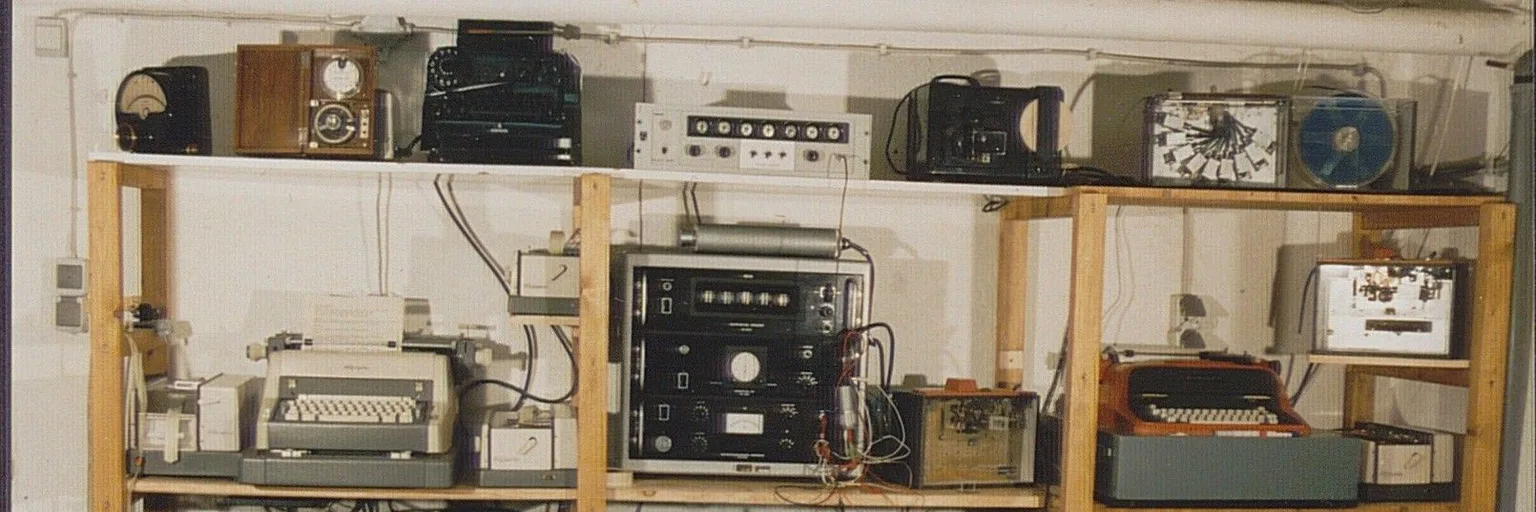
Getting an old machine to exchange bytes with a modern one is the unglamorous craft that keeps vintage computers useful, and it deserves more respect than emulators get.
A YouTuber's jumper-setting, 2GB-drive nostalgia build is more than sentiment: it's a rational retreat from a market where AI demand squeezes memory, GPU and storage.
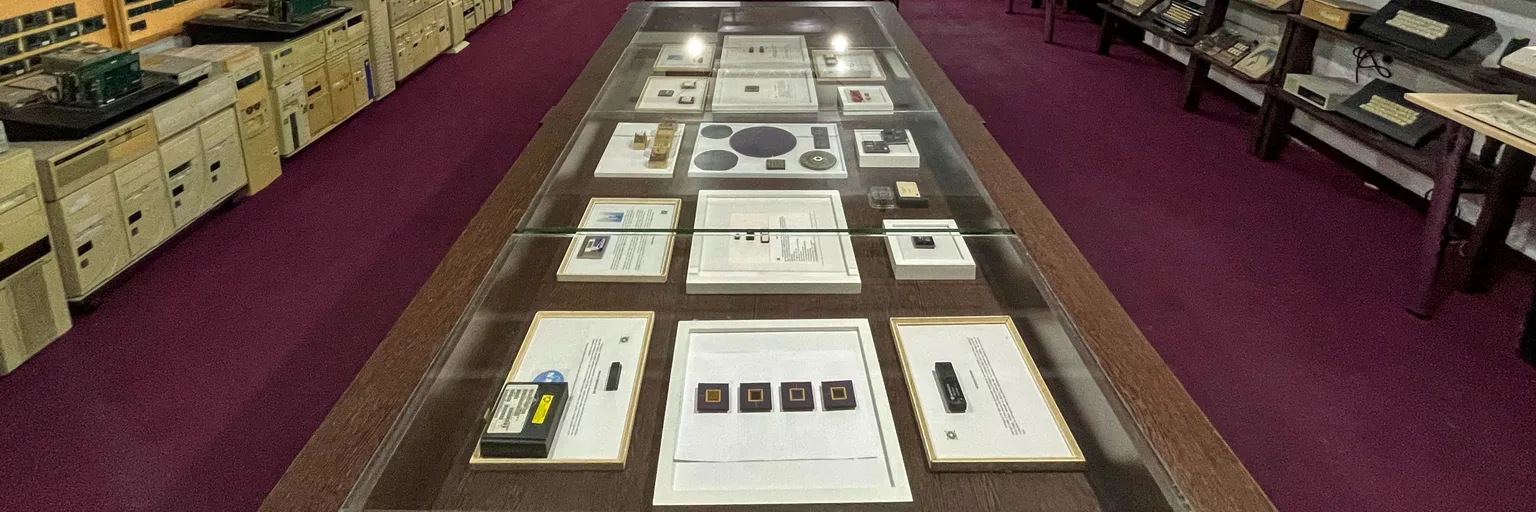
The Heinz Nixdorf MuseumsForum turns 30 this Saturday. Its real lesson: computing history needs rooms, people and objects, not just archives and emulators.
Yeo Kheng Meng's audacious project to bring USB4 and Thunderbolt to Windows 98 transcends mere retrocomputing novelty, unlocking powerful new possibilities for creative coding and digital preservation.
The long-held belief in plastics' chemical inertness is a myth, challenging retro computing preservation and demanding new strategies to save our digital heritage from chemical degradation.
Juha Lilja's Micro DOS arcade cabinet for dollhouses, streaming games over Wi-Fi, transcends traditional emulation to become a delightful, functional art installation that challenges our understanding of computing.
E-ink displays, exemplified by the Oldputer in the 2026 Retrocomputing Challenge, are more than novelty; they are a practical and aesthetically fitting evolution that enhances vintage hardware interaction and reduces eye strain.
In a market saturated with sleek, often indistinguishable black boxes, Thermaltake's new Retro 360 TG mid-tower chassis makes a bold, beige statement that embraces nostalgia without sacrificing modern performance.
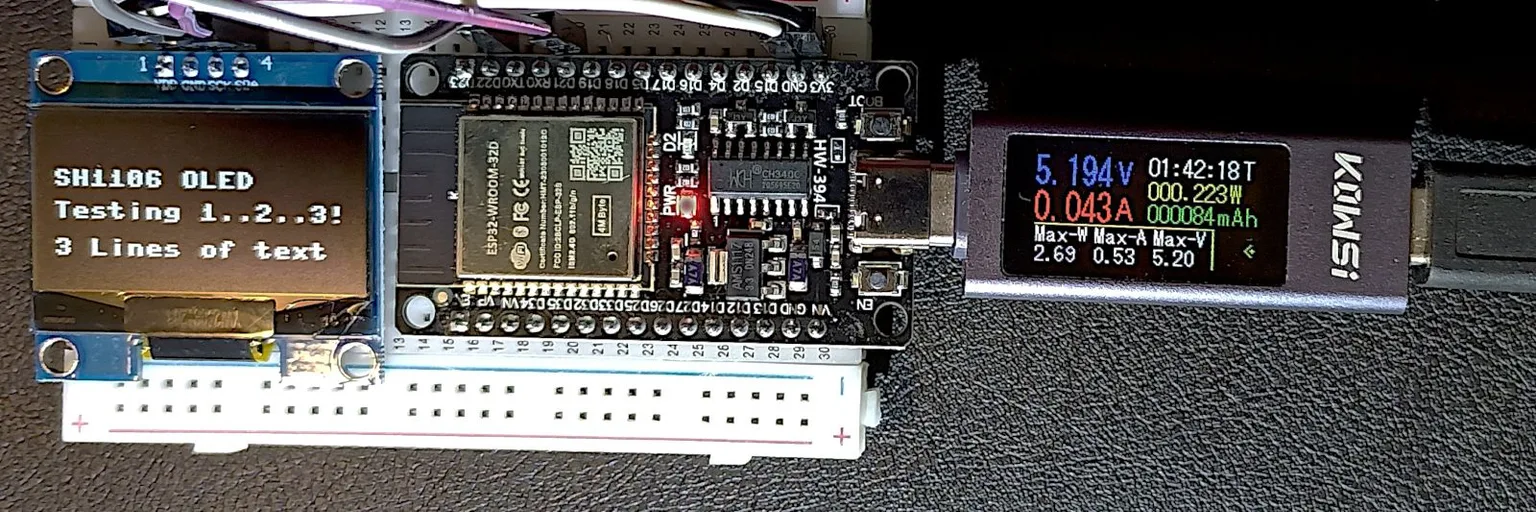
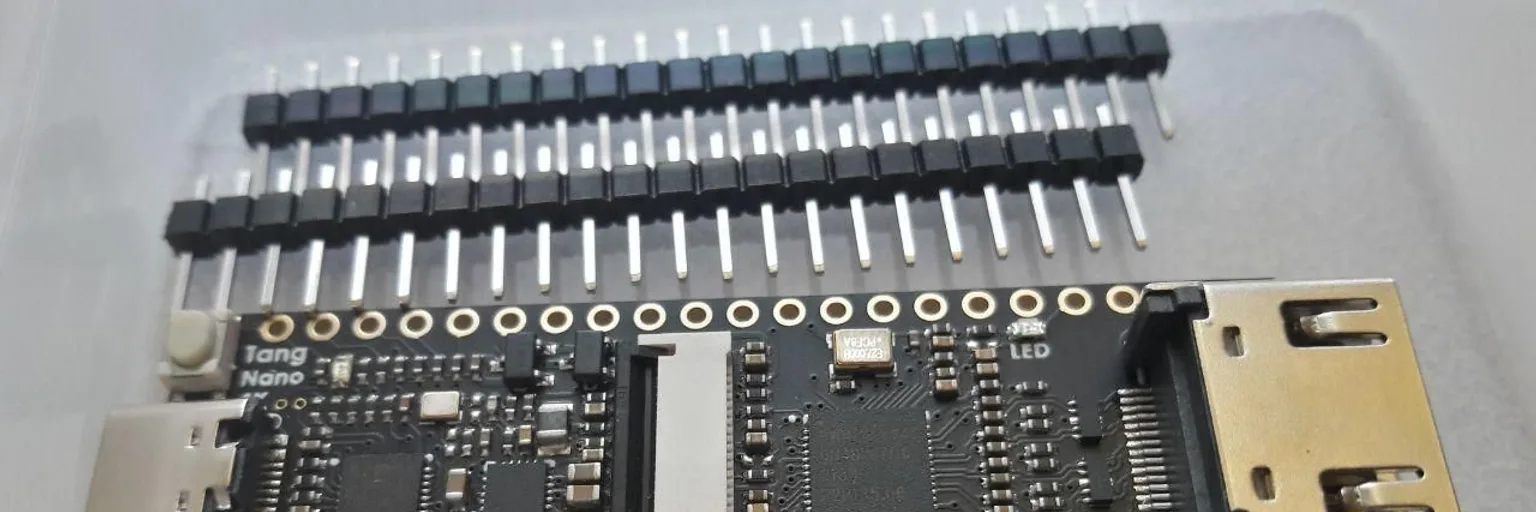
The ubiquitous ESP32 microcontroller offers an unexpected lifeline to vintage hardware, bridging the chasm between analog nostalgia and modern connectivity, ensuring retro computers remain vibrant and accessible.
Fifteen years after its disastrous launch, AMD's Bulldozer architecture, once a symbol of design missteps, now offers valuable lessons and a unique platform for retro enthusiasts.
AWS developer Darko Mesaros's expansive collection of vintage computers is more than a museum; it's a dynamic laboratory proving how early machines offer critical insights and artistic sparks for today's innovative coding challenges.
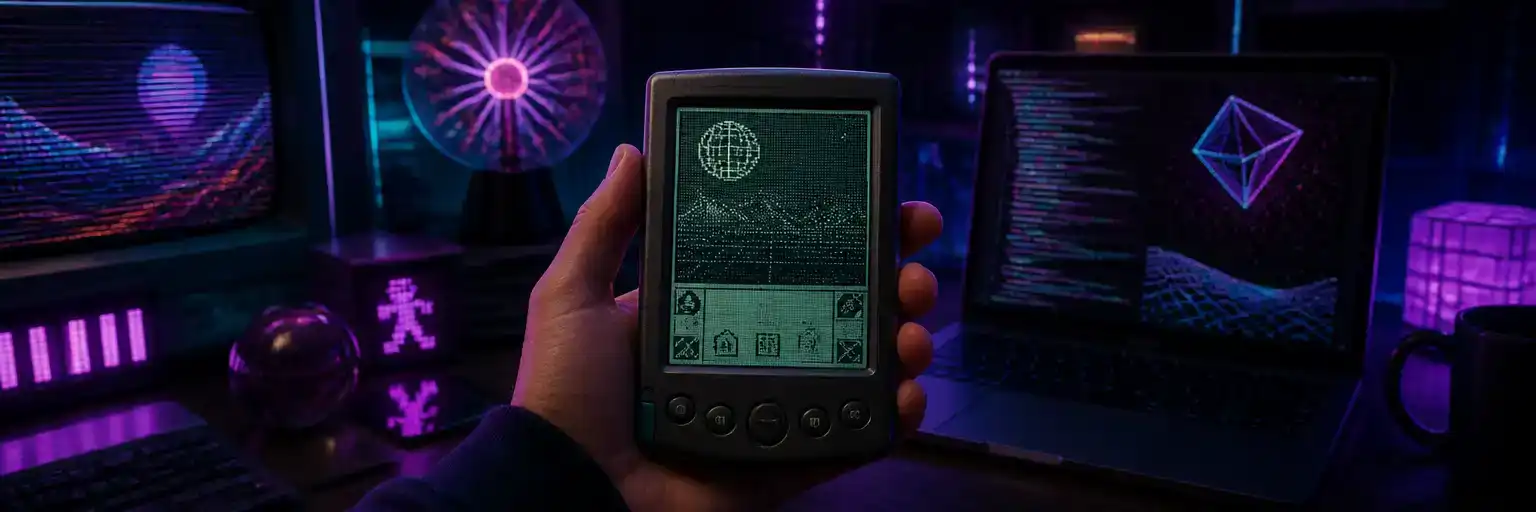
The unexpected release of a vast archive of Palm OS development resources on GitHub proves that passionate retro communities can breathe new life into seemingly forgotten platforms, driving preservation and innovation.
The use of classic games to showcase new Russian-made RISC-V, Arm, and Elbrus processors reveals a clever strategy to demonstrate technological independence under international pressures.
The release of antirez's pin-level Commodore 64 simulator offers unprecedented insight into the machine's deepest workings, unlocking new possibilities for retro enthusiasts and demoscene creators.
While id Software’s DOOM defined the early FPS genre, the innovative Build engine, powering Duke Nukem 3D and its peers, offered unique 2.5D graphics tricks and interactive aesthetics that continue to captivate retro-computing enthusiasts and creative coders seeking alternative visual styles.
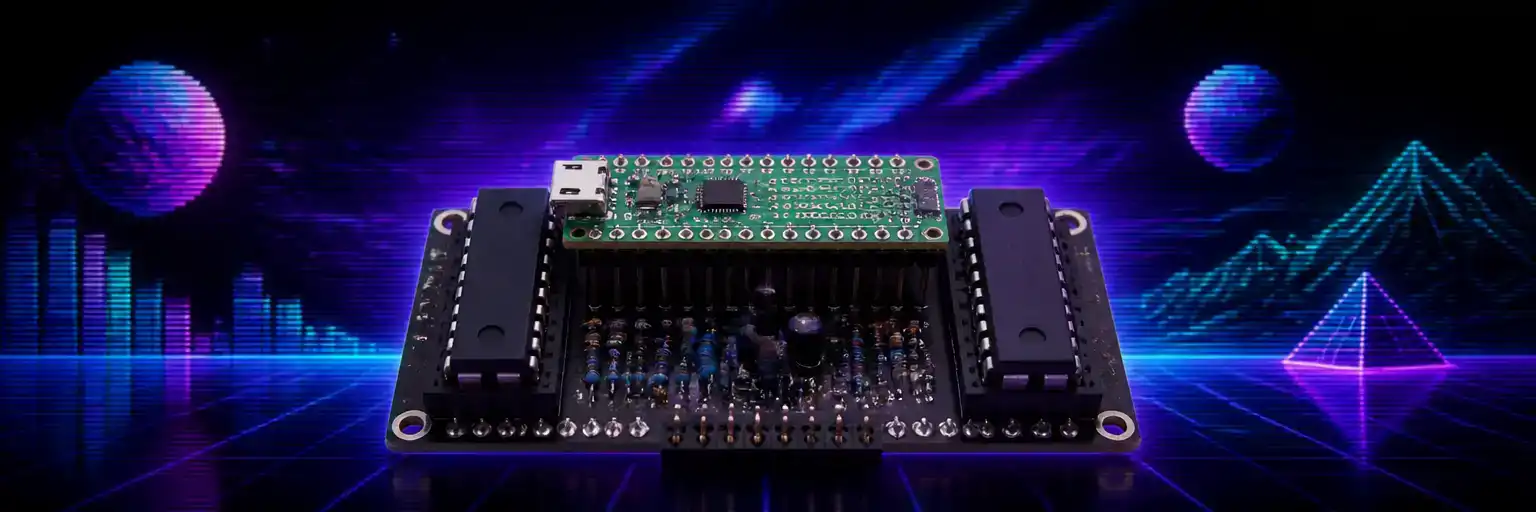
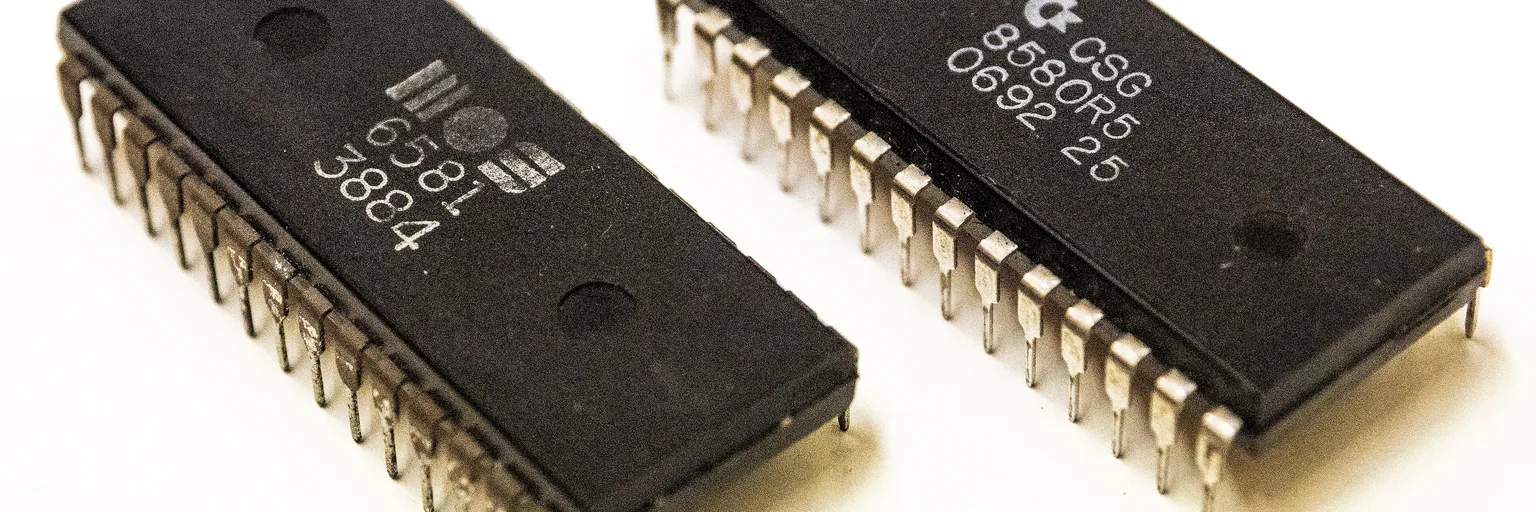
By seamlessly blending genuine SID chips with the versatile Raspberry Pi Pico, the USBSID-Pico makes authentic, high-quality chiptune creation more accessible and dynamically expands the possibilities for retro sound design in the modern era.
In an increasingly digital world, the surprising resilience and resurgence of specialized print magazines for retro computing and gaming highlight a deep-seated craving for tangibility, expert curation, and a sense of shared history.
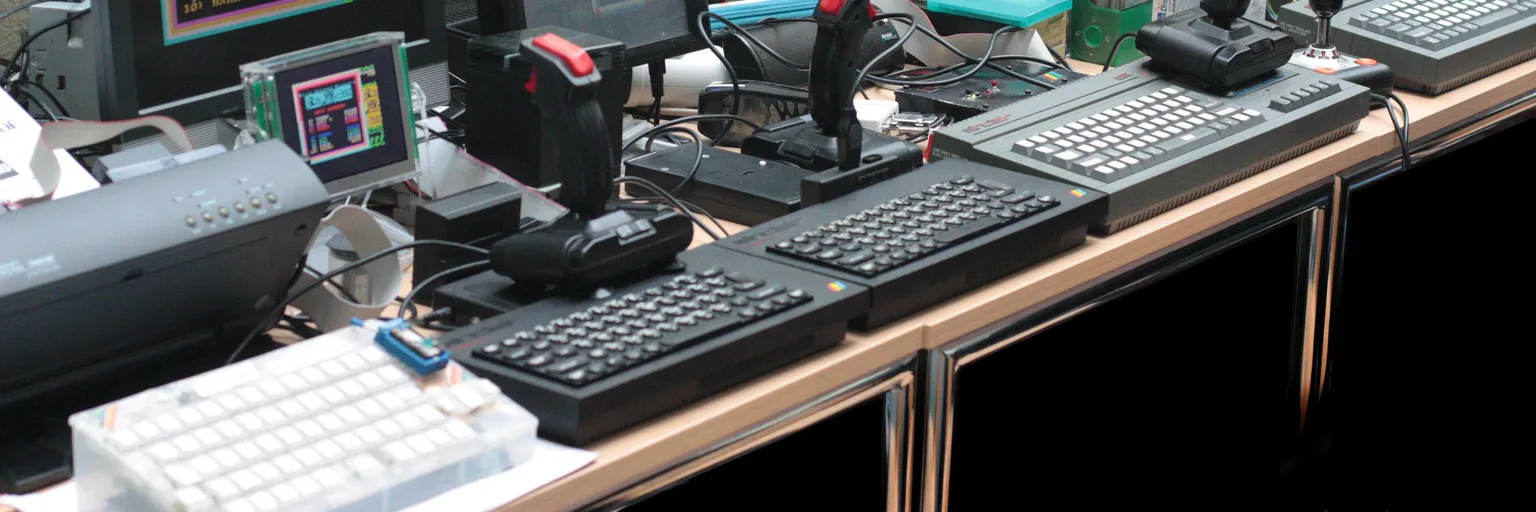
Mark Dastmalchi-Round's recent ZX Spectrum demoscene intro illustrates how stringent retro hardware limitations ignite ingenuity and push creative boundaries in the modern era.
The discovery of an extinct yak species through ancient DNA analysis showcases how scientific exploration, much like retro computing, constantly uncovers hidden histories, reshaping our understanding of evolution and past ecosystems.
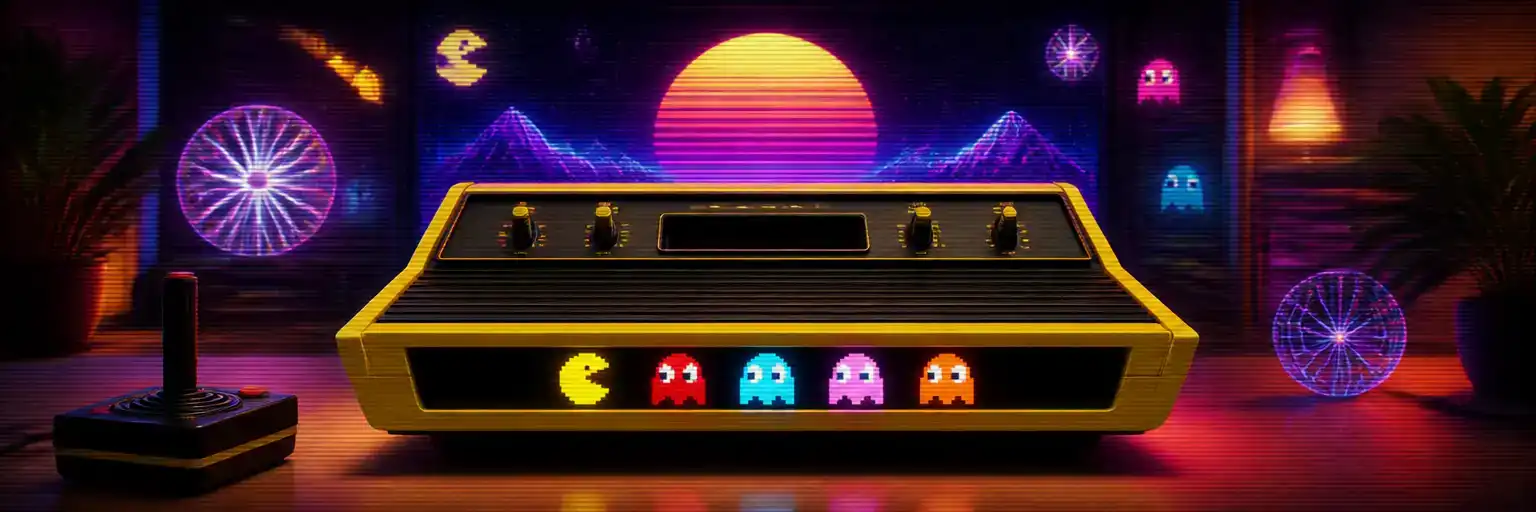
The vibrant yellow Atari 2600+ Pac-Man Edition transcends mere retro appeal, acting as a crucial modern gateway for safeguarding classic games and making foundational titles accessible to a new generation.
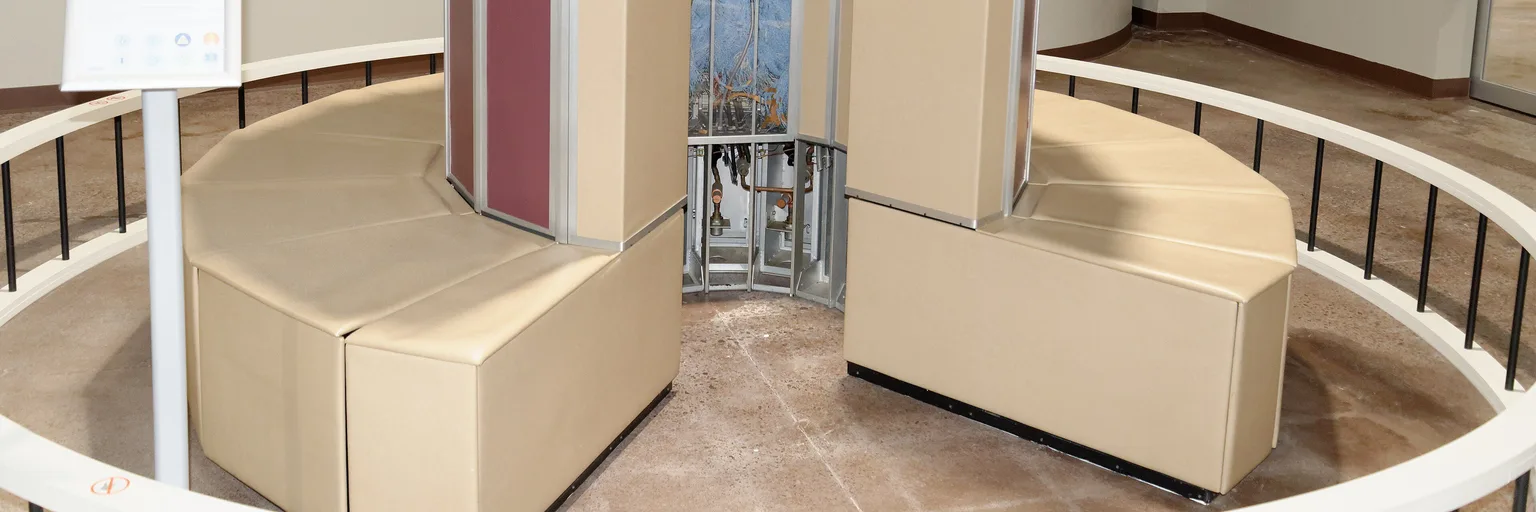
The Cray-1 supercomputer's anniversary isn't just a historical moment; its design philosophy continues to shape how creative coders push boundaries and optimize performance with ingenious solutions.
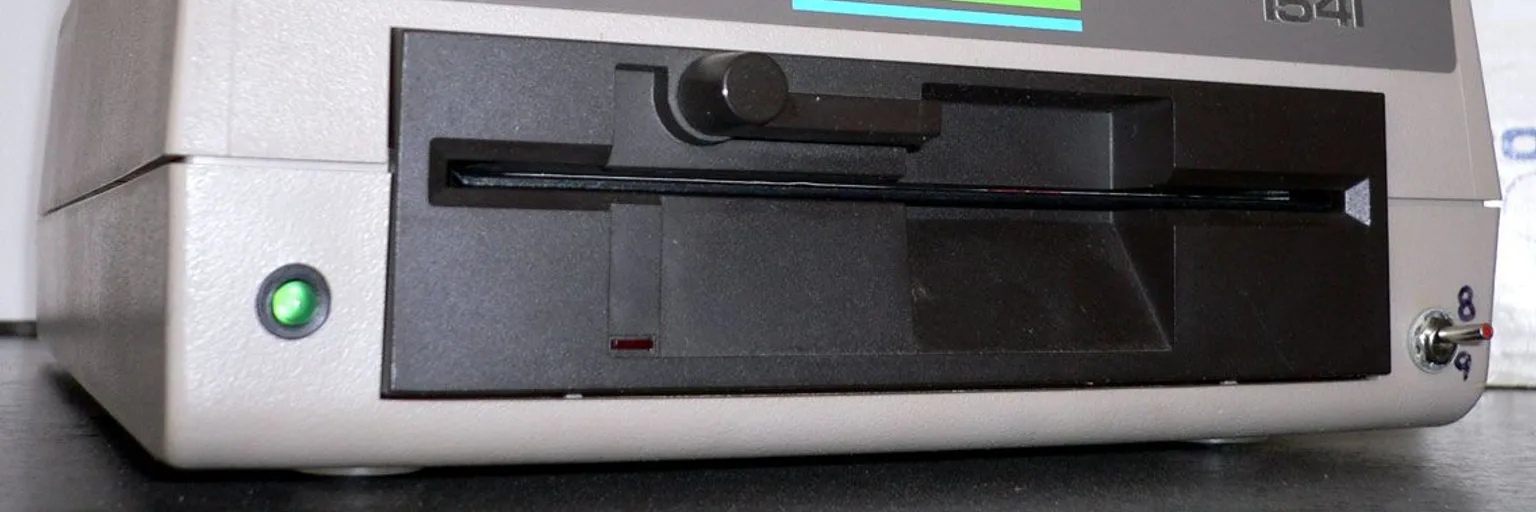
Emulating the notoriously quirky Commodore 1541 floppy drive by accurately simulating its underlying hardware offers unparalleled preservation fidelity and deepens our understanding of vintage systems.
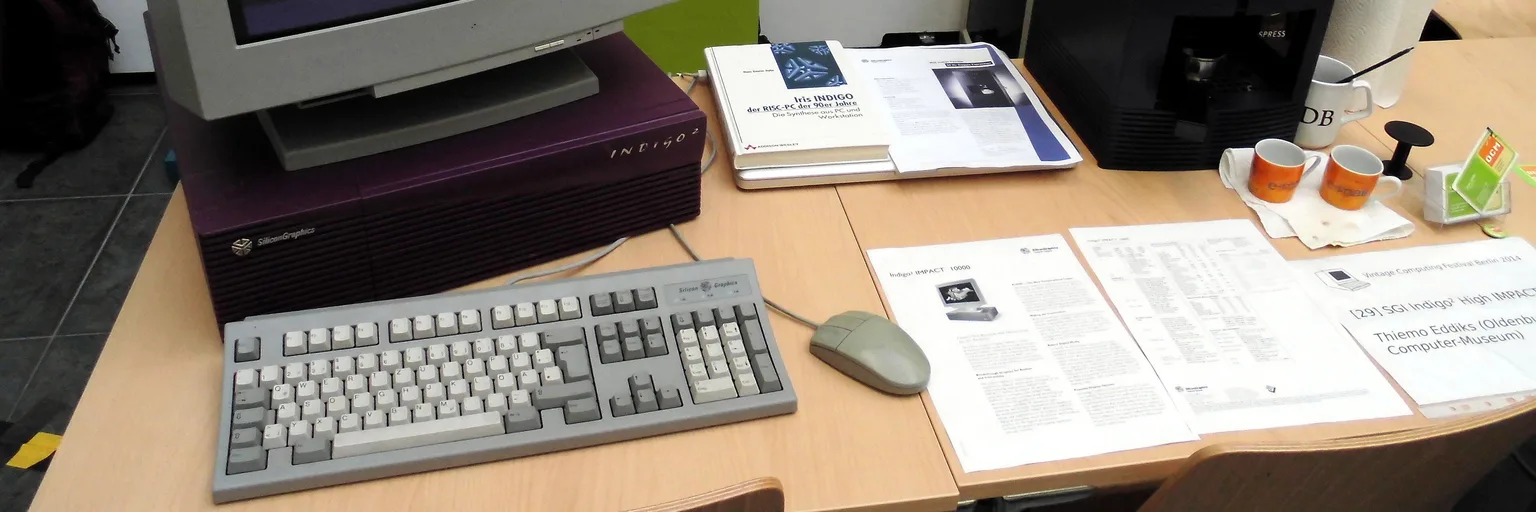
The foundational philosophies and advanced capabilities of classic UNIX workstations continue to resonate, offering valuable insights for modern creative coding and demoscene enthusiasts.
The recent cyberattack on French supermarkets, leading to massive food spoilage, is a stark reminder that hyper-connected digital systems, while efficient, present critical vulnerabilities that older, simpler approaches might mitigate.
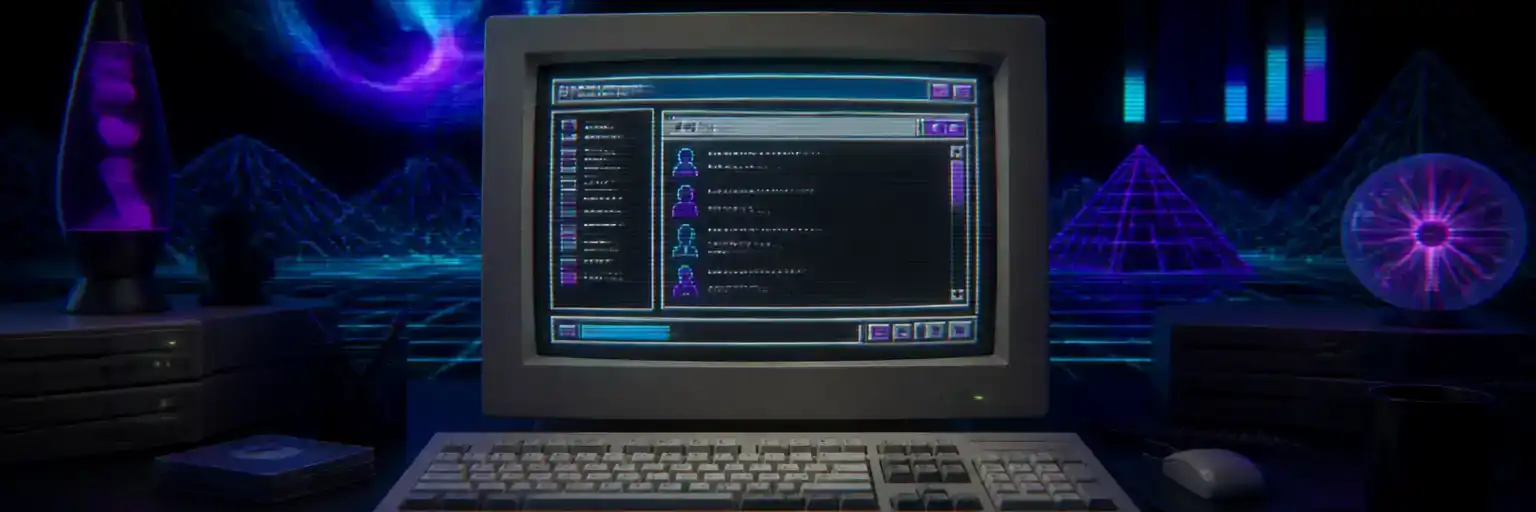
In an era of instant gratification, Cometlink deliberately recreates the sluggish, feature-rich chat experience of the 90s, revealing a deep longing for simpler yet engaging online interactions.
Taskwarrior's success proves that a minimalist, command-line interface, even with a demanding setup, can deliver unparalleled productivity and integration in an age of overdesigned software.
Spy Drops Gaiden blends classic Game Boy-style visuals and evocative chiptune audio with tight 2D stealth mechanics, offering a compelling vision for modern game design that leverages the past without merely echoing it.
The renewed fascination with machines like the DEC AlphaServer 2100 signals a pivotal shift in retrocomputing, moving past simple gaming nostalgia toward a profound appreciation for historical architecture and the intricate dance of system revival.
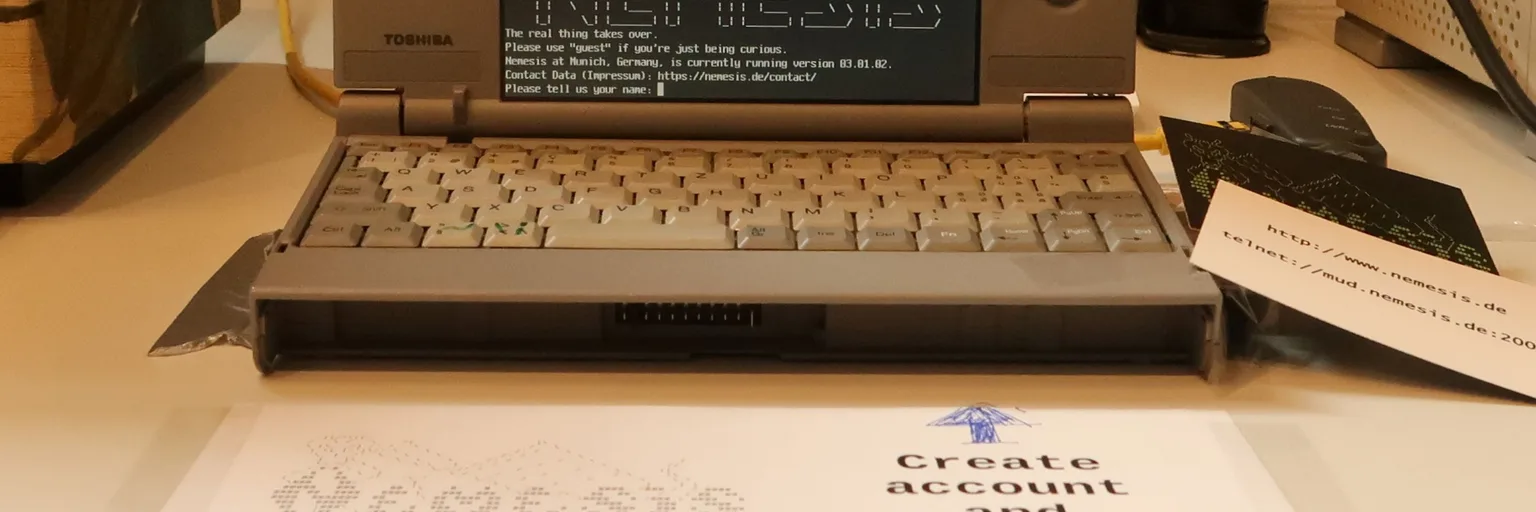
More than a mere novelty, the Toshiba Libretto 50CT represented a profound shift, proving that a full Windows PC could fit in a device the size of a paperback book, fundamentally altering perceptions of mobile computing's potential for digital workflows.
The latest free beta synth from Morphoice, recreating the iconic Commodore 64 SID chip, underscores how foundational retro audio technology continues to shape and inspire modern music production, proving its sound remains as relevant as ever.
Modern web technologies and dedicated mobile solutions are not just making classic games accessible; they're fundamentally reshaping digital preservation and inspiring creative coding.
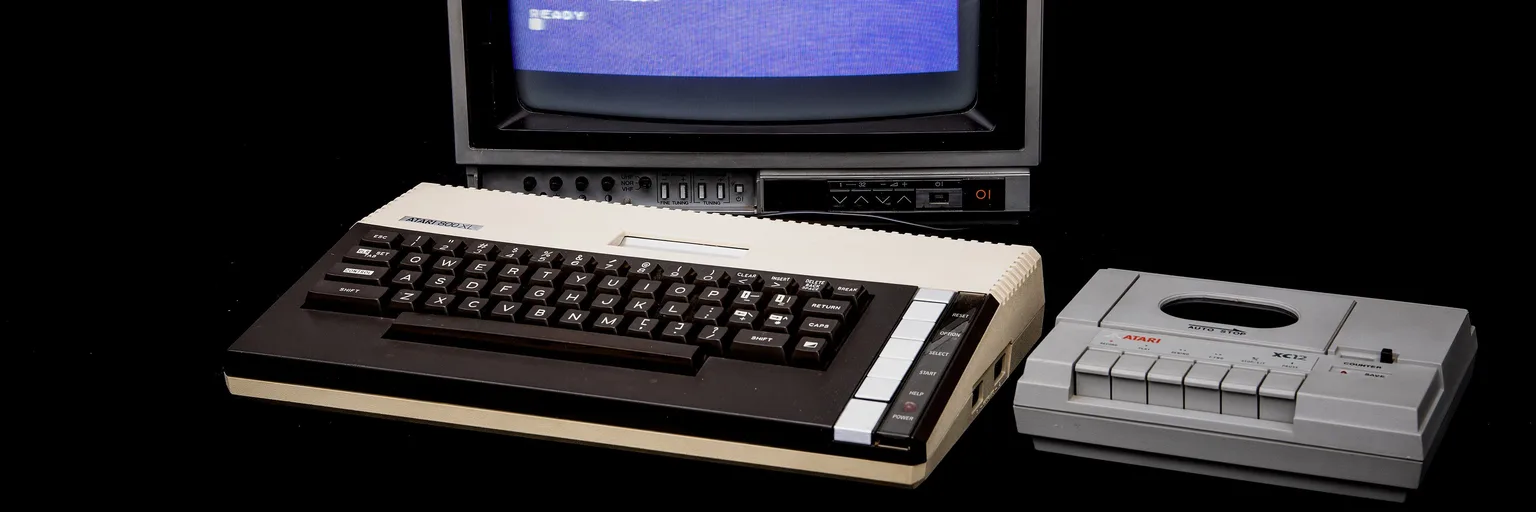
Atari's reimagined 800XL, complete with HDMI and USB, transcends mere nostalgia, offering a robust platform for new generations to engage with 8-bit computing and creative programming.
From its humble origins in 1980s software cracktros to gaining UNESCO cultural heritage status, the demoscene stands as a testament to digital creativity and technical artistry.