Scene & Code Newsroom
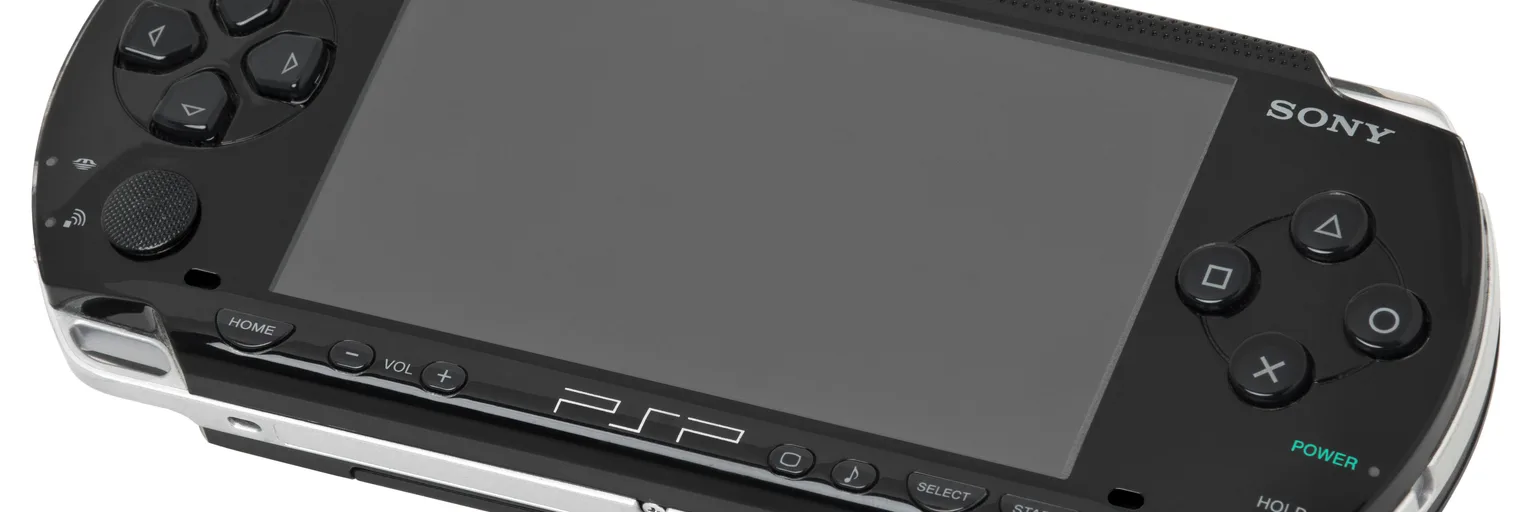
Recompiling beats emulating: God of War's PSP ports prove it
Native, unofficial PC builds of two PSP God of War games show why static recompilation is the more promising preservation tool, legal gray zone and all.
When the company that helped build Blu-ray stops selling players, discs stop being a hobby and become an archive at risk. Collectors should act now, not later.
A native PC build of Brawl with 4K, ultrawide and keyboard-and-mouse support shows what fans can do. Its legal and community footing is the real weak spot.
Roland's quirky box was no mere sound card: games were composed for it, and today's emulators and community guides show why authentic playback beats generic General MIDI.
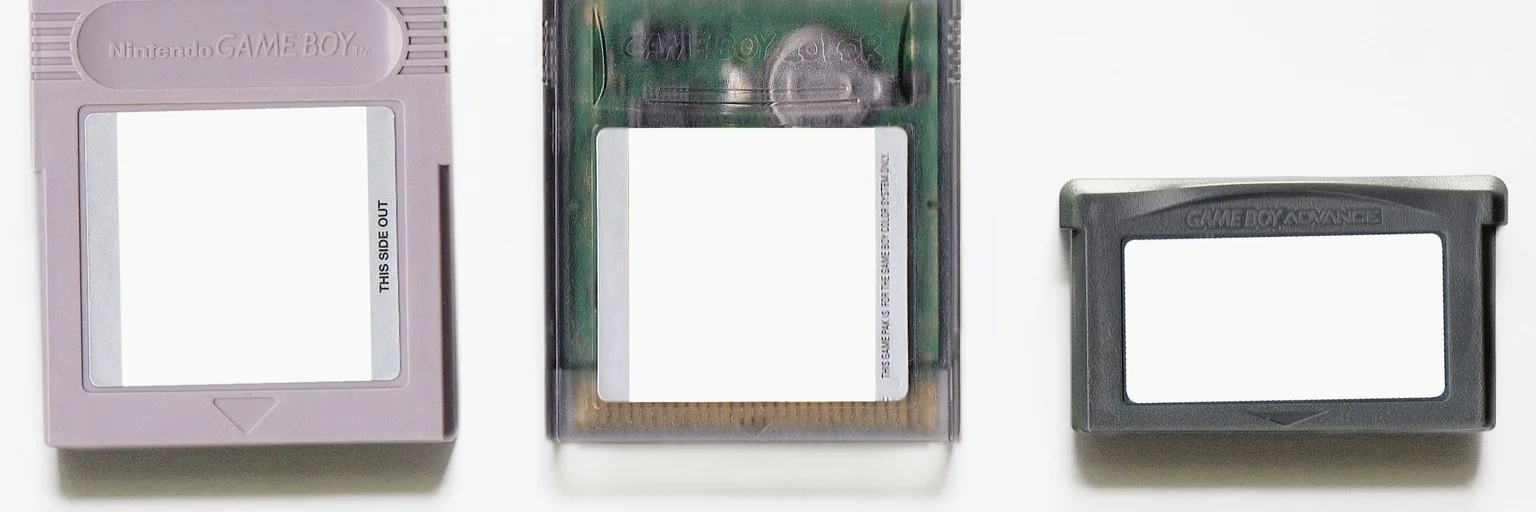
A half-read Game Boy cartridge sits at $25,000 on a single bid. It shows how the market prices provenance while preservation needs full dumps, and auctions should require archival access.
Atari is closing the VCS store on February 1, 2027. The lesson isn't that retro hardware dies; it's that only the parts nobody locked down can outlive the company.
Raspberry Pi makes emulation approachable and legally aware, but the real craft starts after the quick setup: ROMs, accuracy, latency and hardware care.
Thirty years on, Trainspotting matters less as a nostalgia trip than as a surviving design system: abrasive, modular and still ready to be remixed.
The canceled revival and new helmet replicas reveal why Stargate SG-1 remains powerful: fans want expansion, but not at the cost of the world they already love.
The PlayStation 3 emulator RPCS3 has made a monumental leap with online trophy synchronization via RPCN, a crucial step in preserving the console's social gaming experience and entire library.
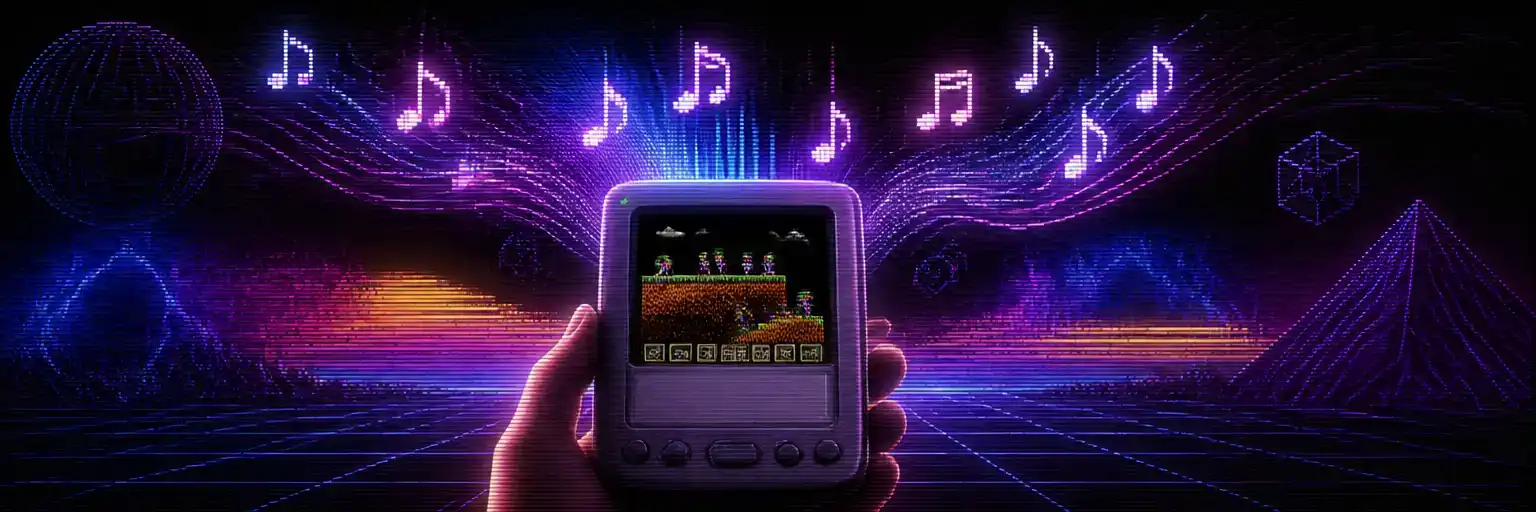
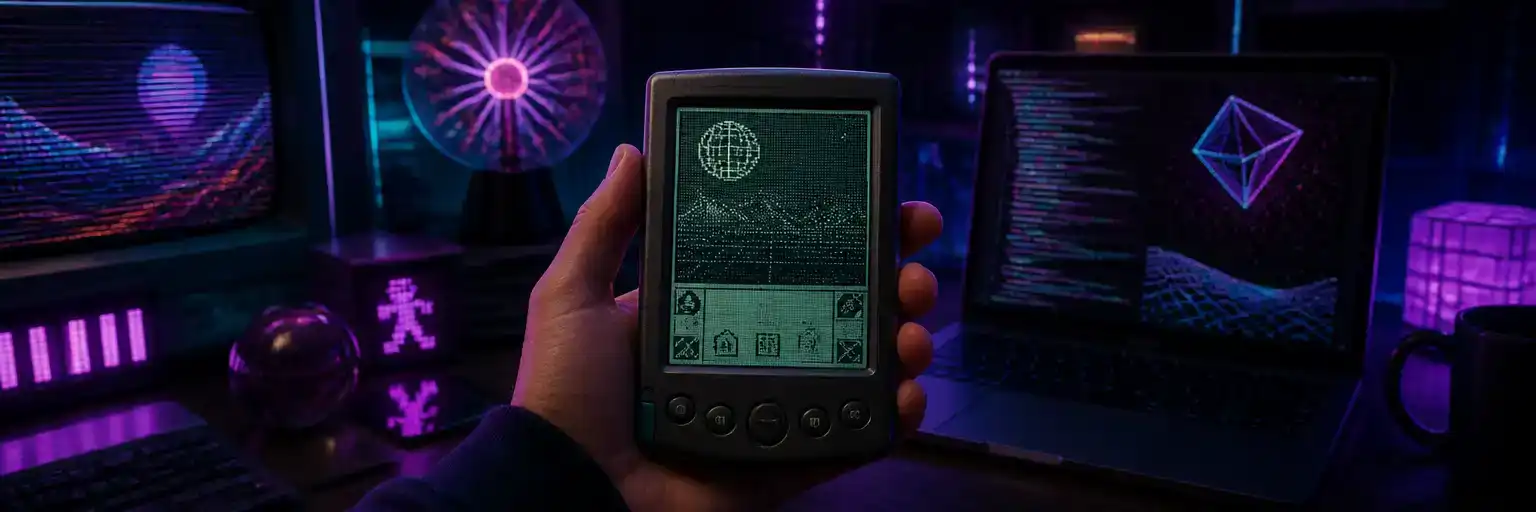
The recent addition of Yamaha MIDI support to the open-source PalmOS Lemmings port shows how retro-focused development can enrich classic experiences, blending historical charm with modern sonic fidelity.
Yeo Kheng Meng's audacious project to bring USB4 and Thunderbolt to Windows 98 transcends mere retrocomputing novelty, unlocking powerful new possibilities for creative coding and digital preservation.
The remarkable resurgence of archived Flash games reveals a pivotal moment for creative coding and browser-based experiences, underscoring the enduring power of accessible tools and dedicated digital preservation.
The surprising development of PlayStation 5 games booting on Xbox Series X via emulation is a testament to the open-source community's ingenuity, signaling a future where console boundaries blur and preservation efforts gain unprecedented visibility.
Community-driven recompilations and native ports are not merely about reliving nostalgia; they represent the most dynamic and critical force ensuring classic games endure against technological obsolescence and proprietary barriers.
The long-held belief in plastics' chemical inertness is a myth, challenging retro computing preservation and demanding new strategies to save our digital heritage from chemical degradation.
The 'PS5 No Disc No Buy' campaign reflects a deep-seated desire for tangible game ownership, clashing with Sony's digital-only pivot and even the pragmatic views of PlayStation's co-creator, Ken Kutaragi.
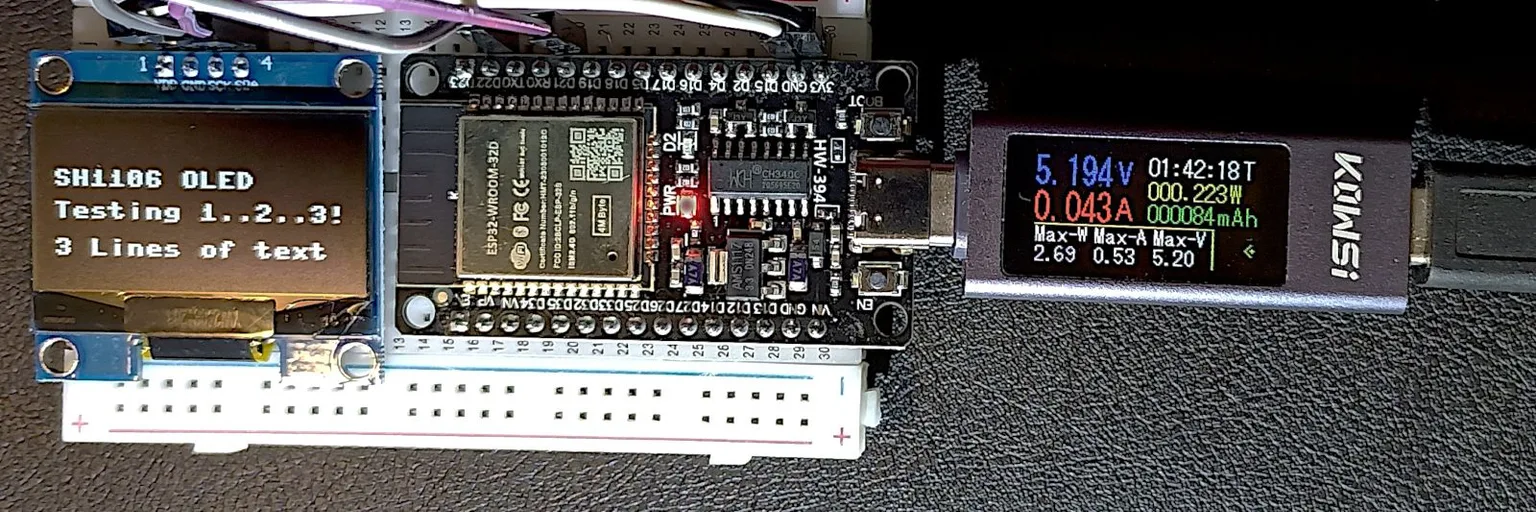
The ubiquitous ESP32 microcontroller offers an unexpected lifeline to vintage hardware, bridging the chasm between analog nostalgia and modern connectivity, ensuring retro computers remain vibrant and accessible.
The leaked remaster of the cult-favorite Shrek 2 video game signifies more than just a fond look back; it represents a growing commercial embrace of once-middling tie-in titles, powered by a sophisticated retro gaming market.
The unexpected release of a vast archive of Palm OS development resources on GitHub proves that passionate retro communities can breathe new life into seemingly forgotten platforms, driving preservation and innovation.
The unexpected free release of the classic Unreal and Unreal Tournament isn't just a nostalgic callback; it's a vital opportunity to dissect their foundational level design principles, still echoing in modern game development.
For Super Nintendo enthusiasts, the SN Operator isn't just a gadget; it's a vital link to the past, allowing seamless digitization and modern play of classic cartridges while ensuring their longevity.
In an increasingly digital world, the surprising resilience and resurgence of specialized print magazines for retro computing and gaming highlight a deep-seated craving for tangibility, expert curation, and a sense of shared history.
The discovery of an extinct yak species through ancient DNA analysis showcases how scientific exploration, much like retro computing, constantly uncovers hidden histories, reshaping our understanding of evolution and past ecosystems.
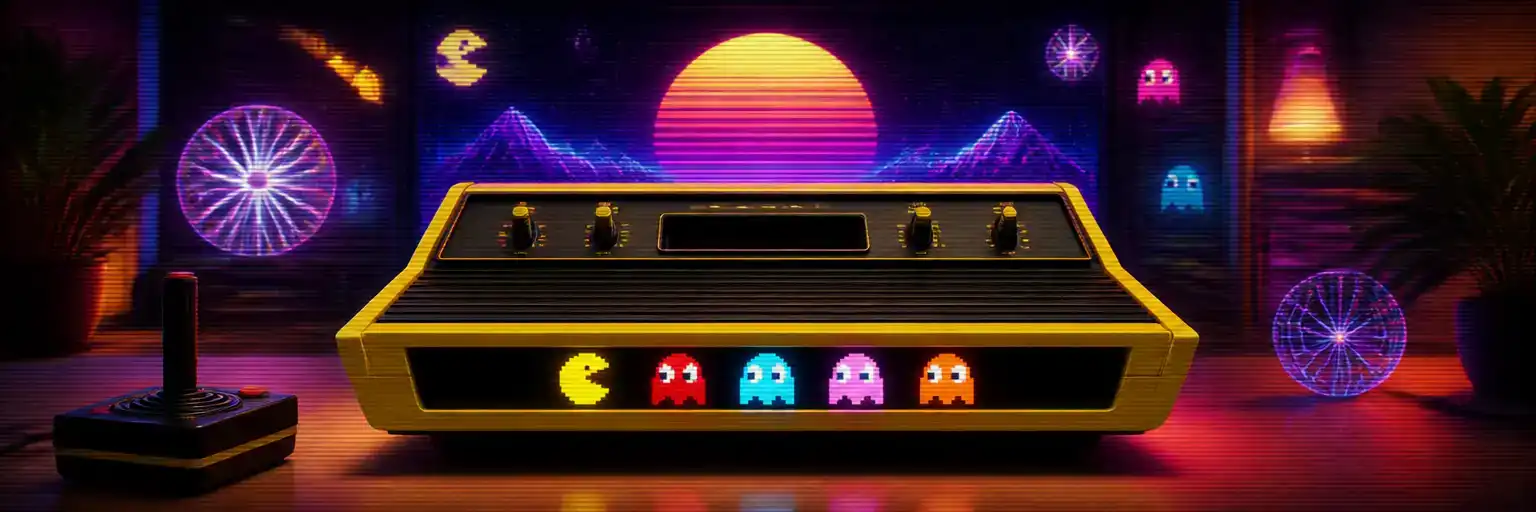
The vibrant yellow Atari 2600+ Pac-Man Edition transcends mere retro appeal, acting as a crucial modern gateway for safeguarding classic games and making foundational titles accessible to a new generation.
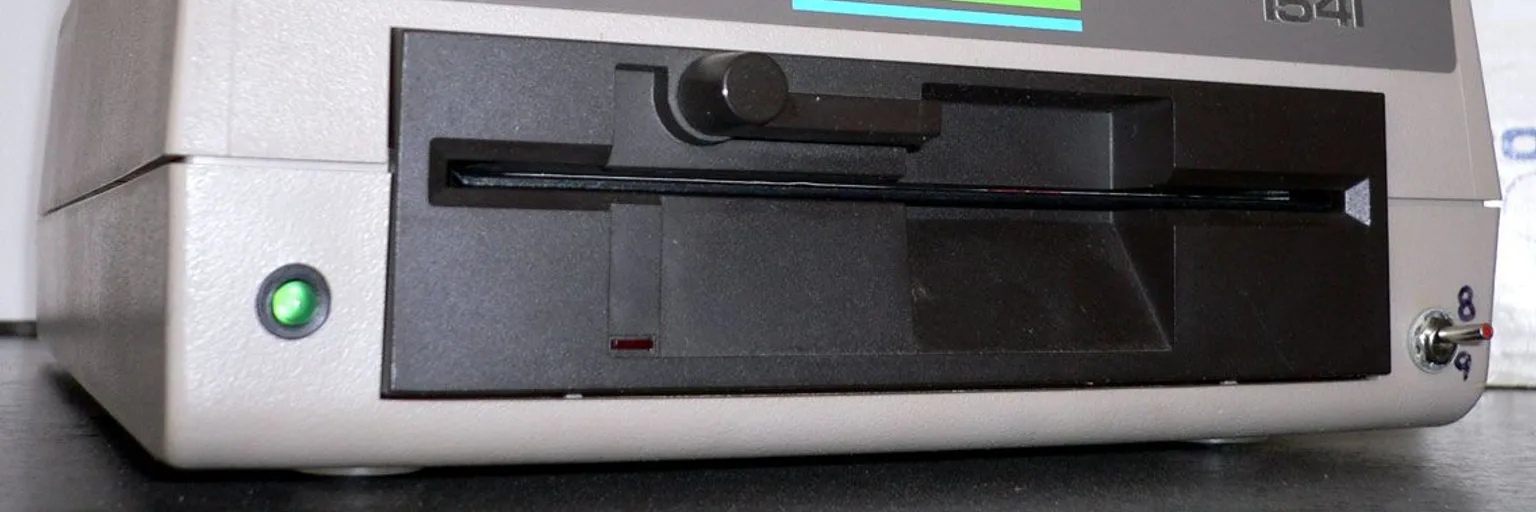
Emulating the notoriously quirky Commodore 1541 floppy drive by accurately simulating its underlying hardware offers unparalleled preservation fidelity and deepens our understanding of vintage systems.