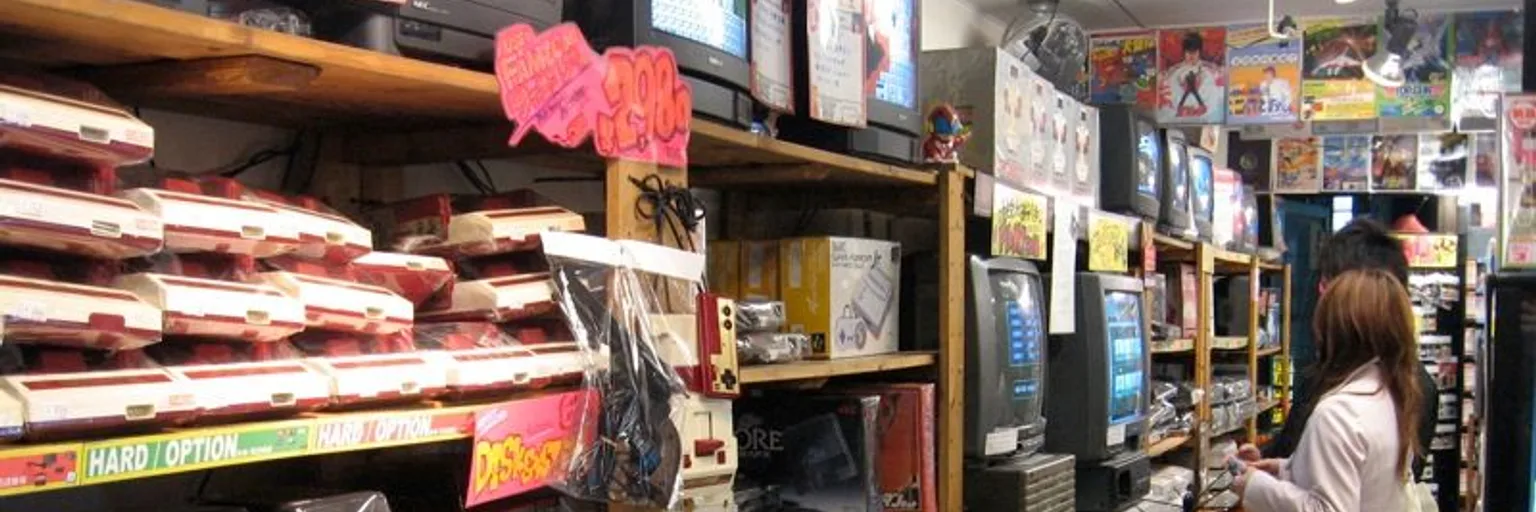
The Atari 800XL Isn't Just Retro, It's a Revival for Creative Coders
Atari's reimagined 800XL, complete with HDMI and USB, transcends mere nostalgia, offering a robust platform for new generations to engage with 8-bit computing and creative programming.
Photo: winkelnkemper / Wikimedia Commons (CC BY-SA 2.0)
Are we witnessing a mere nostalgic cash-grab, or is something more significant brewing in the world of retrocomputing? The recent announcement of the relaunched Atari 800XL, complete with HDMI and USB connectivity, signals a shift that goes far beyond simply re-releasing old games. This isn't just about reliving childhood memories; it's about actively bridging the past and present, opening up classic platforms to a new wave of creative coders and enthusiasts.
Atari, in collaboration with Retro Games Ltd. and PLAION REPLAI, is bringing back the legendary THE 800XL, a full-size recreation of the 1983 8-bit computer. It faithfully retains the original's beige and brown aesthetic, a full-size mechanical keyboard, and a functional cartridge slot, while integrating modern amenities. Users can expect HDMI output for contemporary displays, four USB-A ports for additional controllers or storage, and the ability to load software from USB flash drives. The package comes pre-loaded with 25 classic titles, including Centipede, Missile Command, Asteroids, Boulder Dash, and M.U.L.E., alongside an updated THECXSTICK joystick. Pre-orders are currently open at 219 euros, with shipments anticipated to commence in late April 2027, according to diarioestrategia.cl.
The Return of the Computer, Not Just the Console
Unlike many mini-consoles that offer little more than pre-installed ROMs and simplified controls, THE 800XL emphasizes its roots as a personal computer. The inclusion of a fully functional mechanical keyboard and integrated Atari BASIC is a crucial distinction. As okdiario.com points out, this allows users to do more than just play games; they can write, save, and load their own programs in the very language that defined 8-bit computing for many. This isn't merely about emulation; it's about providing an authentic interactive environment. The capability to load software via USB—supporting cartridge, disk, and cassette images—further extends its utility beyond the included game library, encouraging exploration and even new development on a classic architecture. This focus elevates THE 800XL from a simple entertainment device to a genuine retrocomputing platform, ready for creative exploration.
Bridging Decades: Accessibility for a Modern Audience
The most impactful modern additions are arguably the HDMI output and USB ports. The original 800XL, like its contemporaries, connected to CRT televisions and relied on proprietary interfaces like Atari SIO for peripherals. By integrating HDMI, Atari ensures that THE 800XL can seamlessly plug into any modern display, offering various output modes including 4:3 aspect ratio, pixel-exact display, and even CRT filters for a touch of vintage aesthetics. The four USB-A ports similarly modernize connectivity, allowing for easy hook-up of additional controllers or, more importantly, USB storage devices. These features eliminate significant barriers for new users who might not possess vintage displays or the technical know-how to configure complex adapters. It makes the 8-bit experience immediately accessible, lowering the entry threshold for anyone curious about retro platforms or wanting to experiment with creative coding on classic hardware.
A Deeper Dive into Retrocomputing's Future
THE 800XL's release is not an isolated incident but part of a discernible trend in the retrocomputing market. Retro Games Ltd., the company behind this recreation, has a track record of similar full-size reimaginings, including the Commodore 64 and ZX Spectrum. This signals a growing demand for accurate, functional replicas that go beyond the
No topics yet: start the first one.
More stories
Why the iMac G3 LEGO project is more than just nostalgia
The community-backed initiative to immortalize the iconic Apple iMac G3 in LEGO bricks is not merely a trip down memory lane, but a powerful affirmation of design's lasting influence and a catalyst for digital art's future.
Flash Games: The Unsung Blueprint for Accessible Creative Coding
The remarkable resurgence of archived Flash games reveals a pivotal moment for creative coding and browser-based experiences, underscoring the enduring power of accessible tools and dedicated digital preservation.
PS5 Emulation on Xbox: A Boundary-Breaking Technical Statement
The surprising development of PlayStation 5 games booting on Xbox Series X via emulation is a testament to the open-source community's ingenuity, signaling a future where console boundaries blur and preservation efforts gain unprecedented visibility.

Community Ports: The Essential Architects of Retro Gaming's Future
Community-driven recompilations and native ports are not merely about reliving nostalgia; they represent the most dynamic and critical force ensuring classic games endure against technological obsolescence and proprietary barriers.