Rebuilding a 1996 PC is a quiet protest against AI-priced hardware
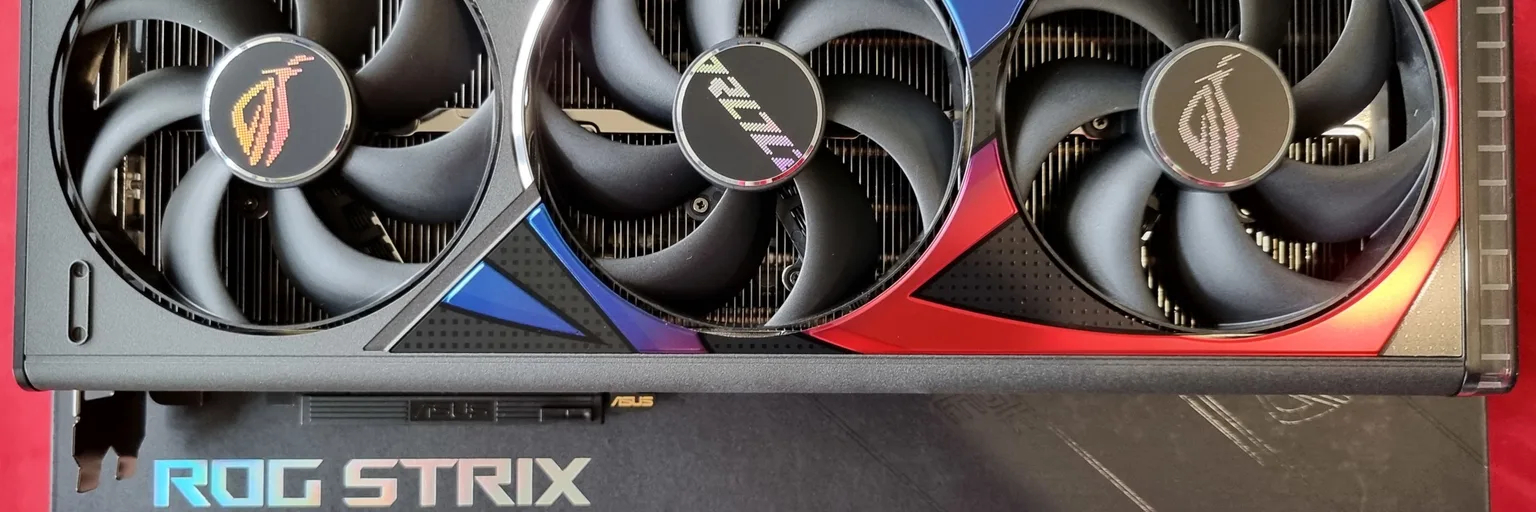
A YouTuber's jumper-setting, 2GB-drive nostalgia build is more than sentiment: it's a rational retreat from a market where AI demand squeezes memory, GPU and storage.

A quiet DLSS 5 neural rendering update for Metro 2033 and Last Light Redux shows AI can revive old games. Preserving the original art still means a real off switch.
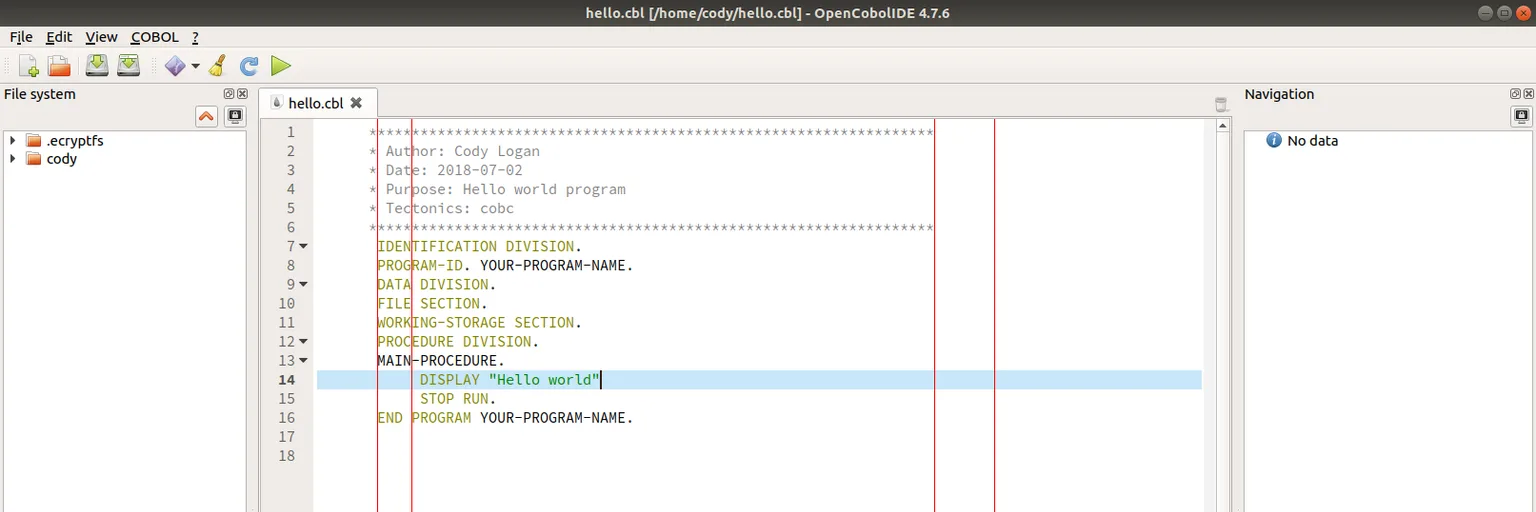
OpenAI’s COBOL results make translation look easier, but the real modernization challenge is proving that decades of undocumented financial rules still survive the rewrite.
ArtCraft does not prove closed software is finished. It proves familiar workflows can be rebuilt quickly—and that gives users new leverage over the companies that sell them.
A new AI-assisted mod for Red Dead Redemption 2 injects a dynamic Nemesis System, transforming static NPCs into persistent rivals and evolving faction wars, proving player-driven innovation is key to evolving beloved game worlds.
Character.AI's bankruptcy and Disney's strategic acquisition highlight the inherent volatility of AI startups and the critical, often overlooked, role of ethical content moderation in user-generated AI platforms.
Despite iterative advancements from Meta, Xiaomi, and Alibaba, the latest smart glasses continue to grapple with offering genuinely compelling utility that outweighs persistent privacy concerns and social integration hurdles.
While the digital realm's evolving algorithms captivate, the foundational elegance and adaptive potential of RC circuits offer a unique, tangible canvas for interactive art, often overlooked in the pursuit of algorithmic novelty.
HLTV's new AI system for CS2 statistics uses natural language to unlock unique insights, transforming raw data into a creative canvas for novel esports analysis and deeper understanding.
Quantum computing is no longer a distant promise; it's a present reality that demands a fundamental re-evaluation of computational thinking, unlocking new possibilities for creative coding in complex simulation and generative art.
Epic Games' 'vibe-coded' launcher champions developer experience and creative freedom as pathways to efficient and innovative software, challenging traditional, rigid development paradigms.
Ledger's new Atom device extends hardware-backed security beyond crypto to all sensitive data, proposing a crucial return to tangible control for creators safeguarding their unique digital assets in an increasingly AI-driven, deepfake-prone world.
The launch of desktop CNC mills like the ToolDance X1 on Kickstarter suggests an exciting shift, empowering creative coders and artists with industrial-grade precision for physical fabrication.
Vitalik Buterin's vision for AI-assisted formal verification, combined with the promise of zkEVMs, signals a shift towards mathematically certain and scalable blockchain infrastructure, bolstering trust for all digital creations.
Marvel's latest Disney+ series, *VisionQuest*, delves deep into the essence of artificial intelligence and humanity, notably crafted without generative AI, turning its production into a meta-commentary on its core themes.
The unexpected virality of Star Wars: Galactic Racer's Biddy Blas, a testament to human artistry, offers a compelling blueprint for how AI might collaborate in crafting equally memorable characters.
Apple's new Siri Remote for the Apple TV 4K isn't just an update; its focus on solving a tangible, everyday problem suggests a pragmatic shift in design philosophy.