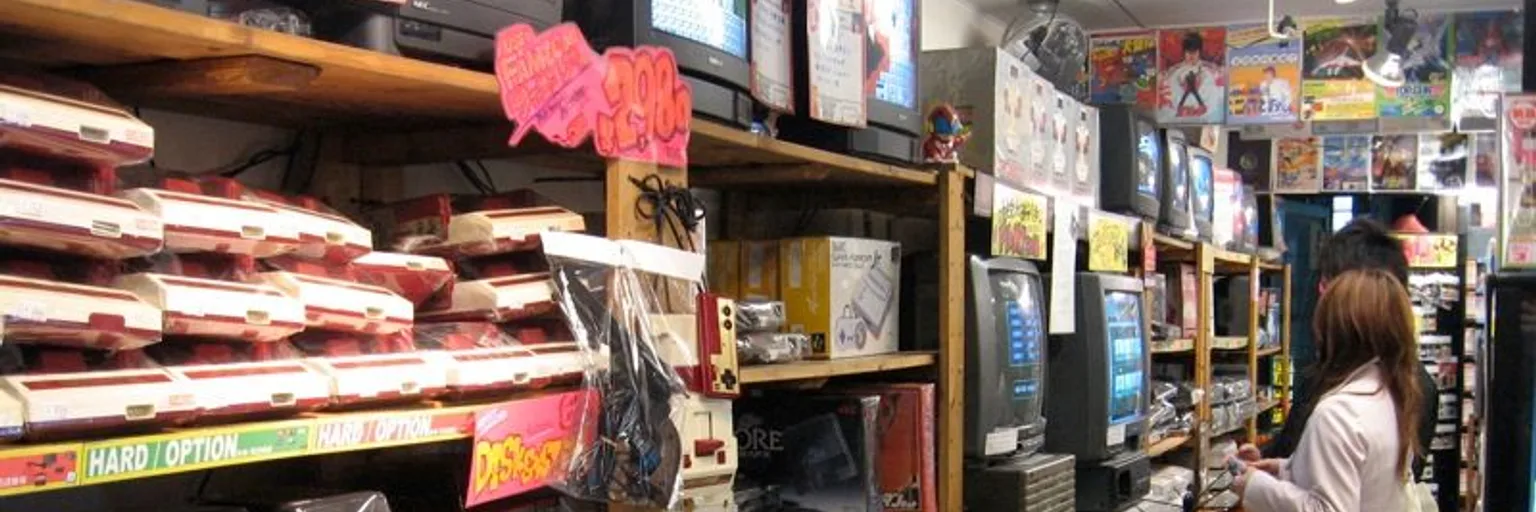
Thunderbolt on Windows 98: More Than a Nostalgic Hack, It's a Creative Bridge
Yeo Kheng Meng's audacious project to bring USB4 and Thunderbolt to Windows 98 transcends mere retrocomputing novelty, unlocking powerful new possibilities for creative coding and digital preservation.
Photo: Jwdietrich2 / Wikimedia Commons (CC BY 4.0)
Can a 1998 operating system truly interface with the cutting-edge speeds and multi-protocol capabilities of Thunderbolt? The very notion seems like a thought experiment confined to a forgotten corner of the internet. Yet, in a remarkable feat of engineering, Yeo Kheng Meng has not only made it possible but has delivered a suite of drivers bringing modern USB and experimental Thunderbolt support to Windows 98, potentially redefining what's achievable in retrocomputing.
For decades, the idea of fast external connectivity on Windows 98 was, to put it mildly, a pipe dream. Many might recall the struggles with early USB support, let alone the advanced capabilities we take for granted today. Meng's project builds upon his prior work on xHCI drivers for USB2.0 support, extending compatibility to Windows 98 through Windows 7.
This ambitious endeavor is delivered in several parts. At its core is a USB3.0 driver, which acts as a direct replacement for the older xHCI98 driver and is readily available on GitHub. While impressive, USB3.0 speeds on Windows 98 are observed to cap out around 200 MB/s. This limitation is likely imposed by Windows 98's maximum request limit of 64kB on USB transfers, meaning that even with a faster bus, the operating system can only process data in smaller blocks.
The project also features experimental USB4.0/Thunderbolt support. This aspect is noted to be less stable than the USB3.0 portion but is remarkable for functioning at all, considering Thunderbolt's mandate for supporting multiple protocols beyond just a faster data bus. To harness these capabilities, users can install xhcicm.sys and experience the unique situation of accessing a docked NVMe drive from Windows 98 using his Stor98 driver. This Stor98 driver is largely based on SweetLow’s NVMe9x project, which Meng forked and plans to integrate into the main repository.
Beyond the drivers, a potentially even more significant contribution to the retrocomputing community is Meng's fork of QEMU11. This specialized version emulates USB4/Thunderbolt hosts and devices, offering a substantial advantage for semi-automated development in this complex area. This emulator is available in its own dedicated repository.
These achievements are consistent with Yeo Kheng Meng's impressive retro-computing record. He has previously demonstrated the ability to run Windows 98 SE on a 2020 ThinkPad P12s Gen 1 laptop, navigating challenges like UEFI, RAM limitations, and a lack of modern graphics drivers. His past work also includes bringing Swift to the Apple II and configuring DOS to host llama.c, showcasing a consistent dedication to pushing the boundaries of vintage hardware and software. This work was also achieved with a similar level of LLM-wrangling involved, although it’s noted that llama.c’s TinyStories was not the specific LLM that provided assistance.
In our view, these drivers and tools not only breathe new life into an iconic operating system but also create fascinating new avenues for creative experimentation. They transform Windows 98 from a static historical artifact into a dynamic platform capable of interacting with contemporary peripherals, broadening its utility for digital artists, hobbyists, and preservationists alike.
No topics yet: start the first one.
More stories
Why the iMac G3 LEGO project is more than just nostalgia
The community-backed initiative to immortalize the iconic Apple iMac G3 in LEGO bricks is not merely a trip down memory lane, but a powerful affirmation of design's lasting influence and a catalyst for digital art's future.
Flash Games: The Unsung Blueprint for Accessible Creative Coding
The remarkable resurgence of archived Flash games reveals a pivotal moment for creative coding and browser-based experiences, underscoring the enduring power of accessible tools and dedicated digital preservation.
PS5 Emulation on Xbox: A Boundary-Breaking Technical Statement
The surprising development of PlayStation 5 games booting on Xbox Series X via emulation is a testament to the open-source community's ingenuity, signaling a future where console boundaries blur and preservation efforts gain unprecedented visibility.

Community Ports: The Essential Architects of Retro Gaming's Future
Community-driven recompilations and native ports are not merely about reliving nostalgia; they represent the most dynamic and critical force ensuring classic games endure against technological obsolescence and proprietary barriers.