Scene & Code Newsroom
The pocket C64 slipping to April 2027 is the best news it could get
Blaze pushed THEC64 Handheld from October 2026 to April 2027 over build quality. For a 129.99-euro emulator, a late launch beats a bad one.
Demozoo will require API keys from November 1, or sooner if bots escalate, because of bot traffic. We think that's reasonable, provided keys stay free, simple and clearly governed.
Neural rendering reinterprets Valve classics rather than restoring them, and it works only because it ships switched off, one toggle from the original look.
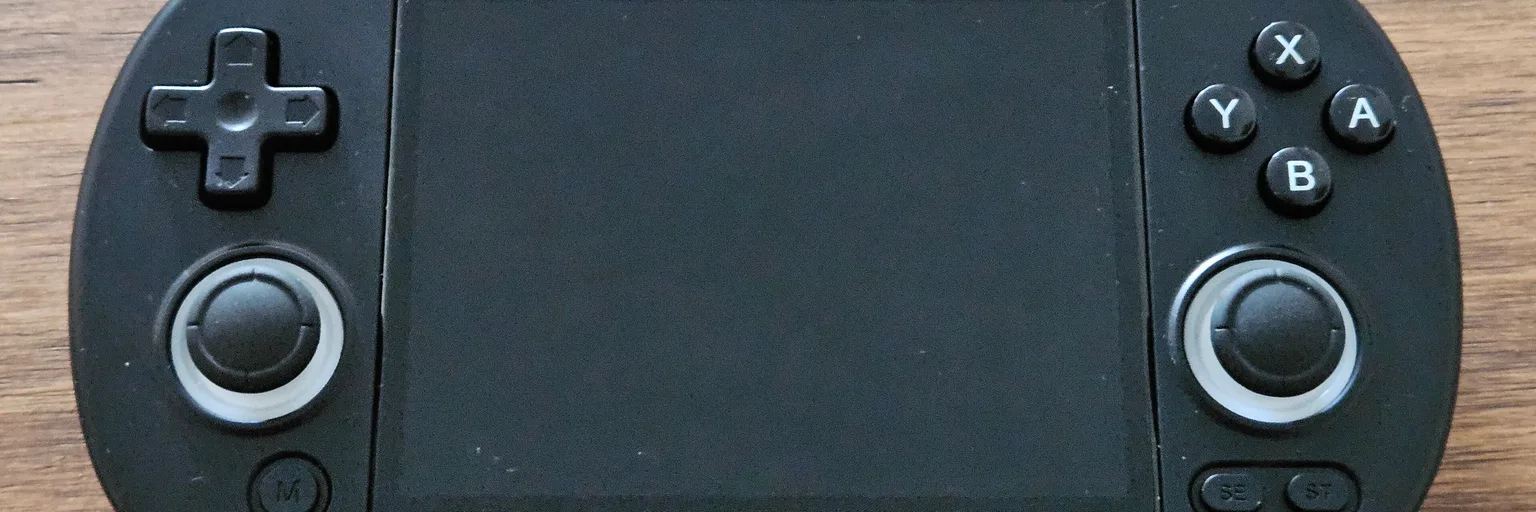
A community-built firmware just shipped roughly 1,250 changes for cheap retro handhelds. Manufacturers should stop treating that as a threat and start treating it as the product.
A full-size Amiga 1200 remake for about 190 euros is welcome, but the badge isn't the point: openness, hackability and the game library decide if it's a real Amiga.
Camp Snap and Flashback are selling the silhouette and the ritual of old film cameras. What made 110 creative was a constraint no sensor skin can reproduce.
Personal sites and small independent projects are what's left of the open web's spirit. Waiting for platforms to improve is a losing bet; readers should back the makers directly.
Reports say Claude Opus 5.5 balks at rooting smart TVs. Unconfirmed, yes, but the real question is whether safety filters can coexist with the right to tinker.
The 2026 wave of C64, Amiga 1200 and N64 revivals is welcome, but only open slots, loadable software and living scenes turn nostalgia merchandise into a platform.
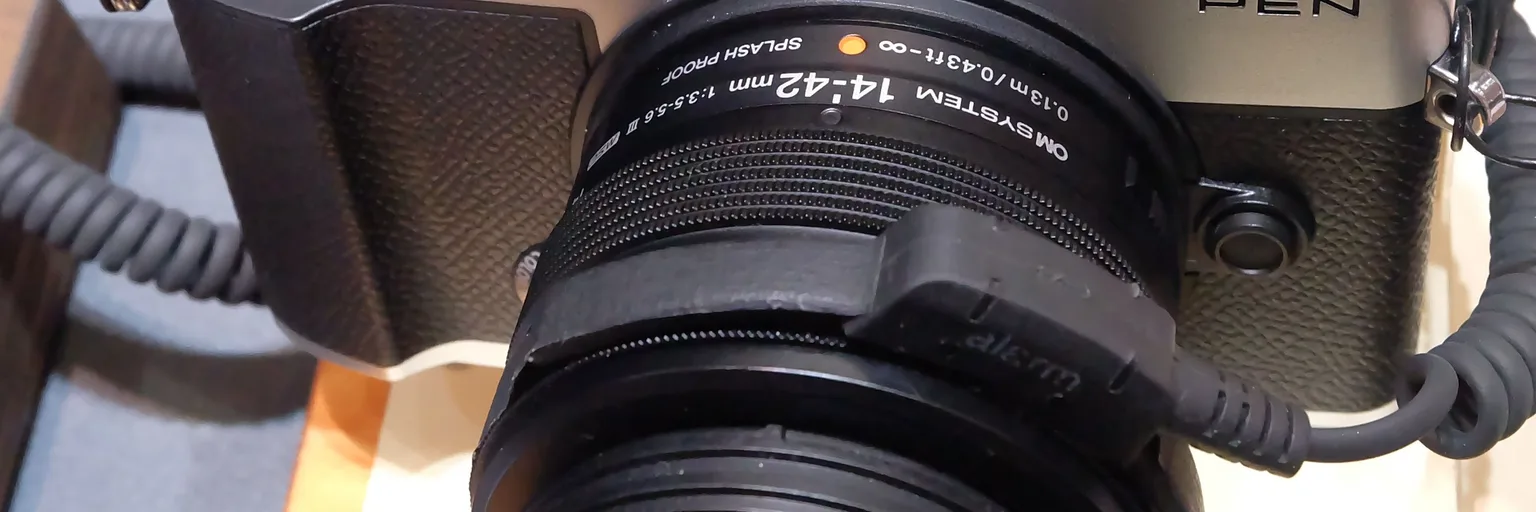
The revived PEN is a hit before most buyers have touched one, but a nostalgic shell isn't enough. Judge it by the pictures it pushes you to make, not by its looks.
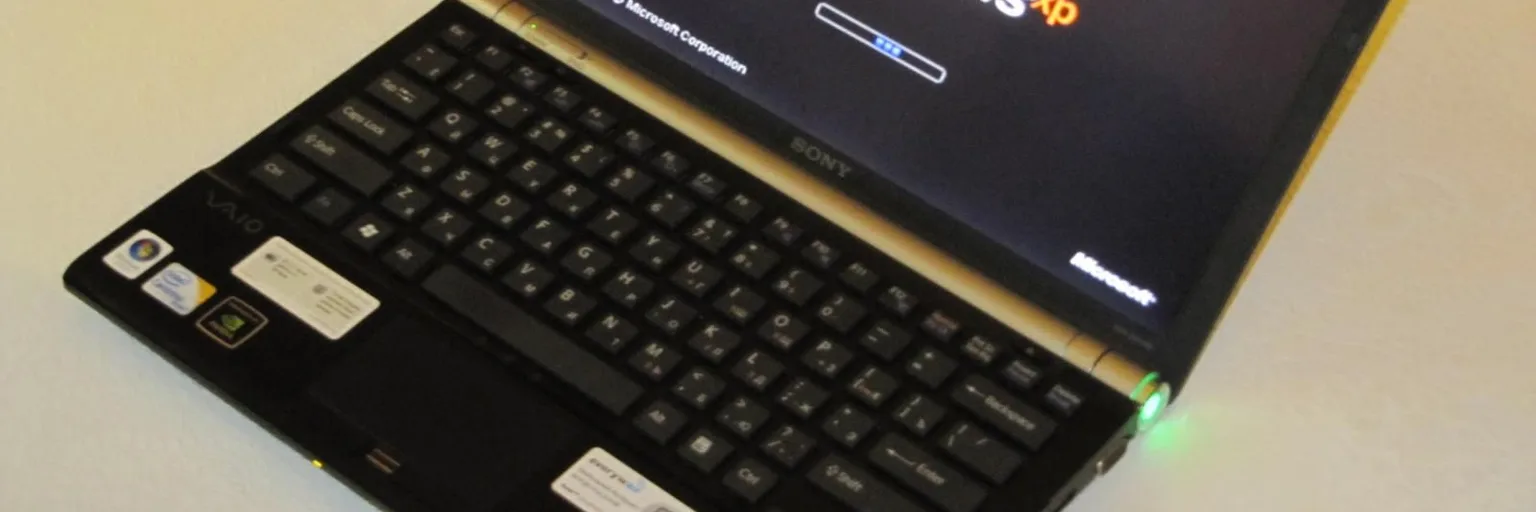
XP deserves its nostalgia, but its 2001 launch also made activation normal. A fair 25th birthday should remember the license check, not just the green hills of Bliss.
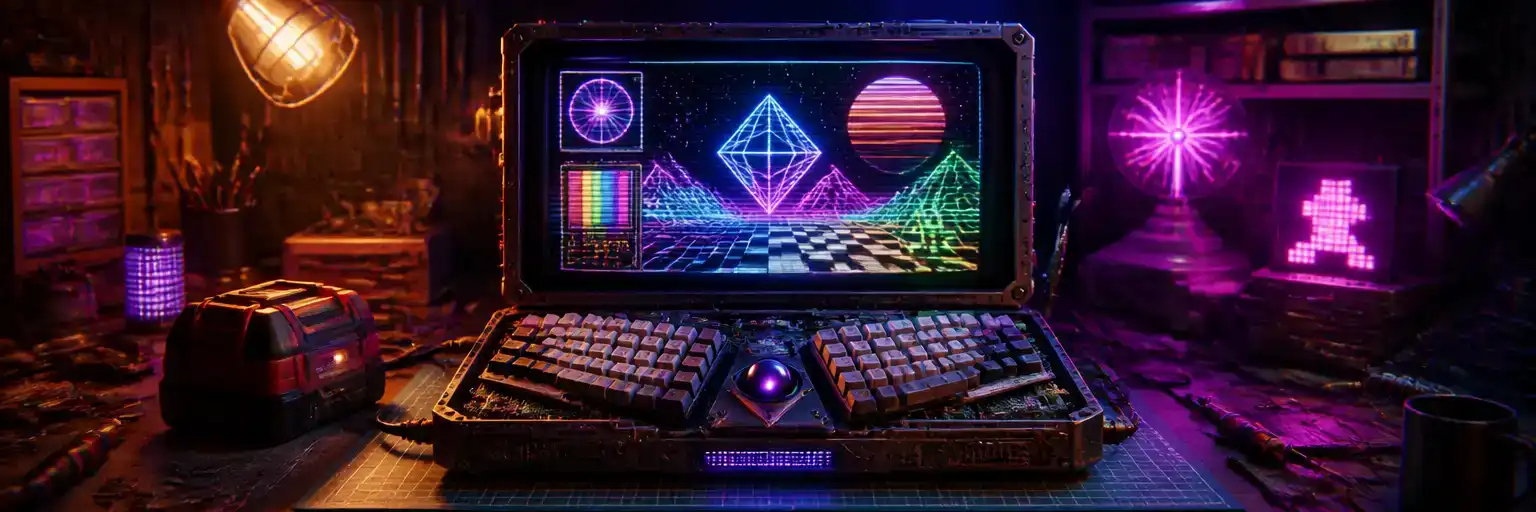
We think many cyberdecks are built to be photographed. The Slurptop, a tool-battery laptop designed for practical work, points to the maker scene's best idea: a machine you use.
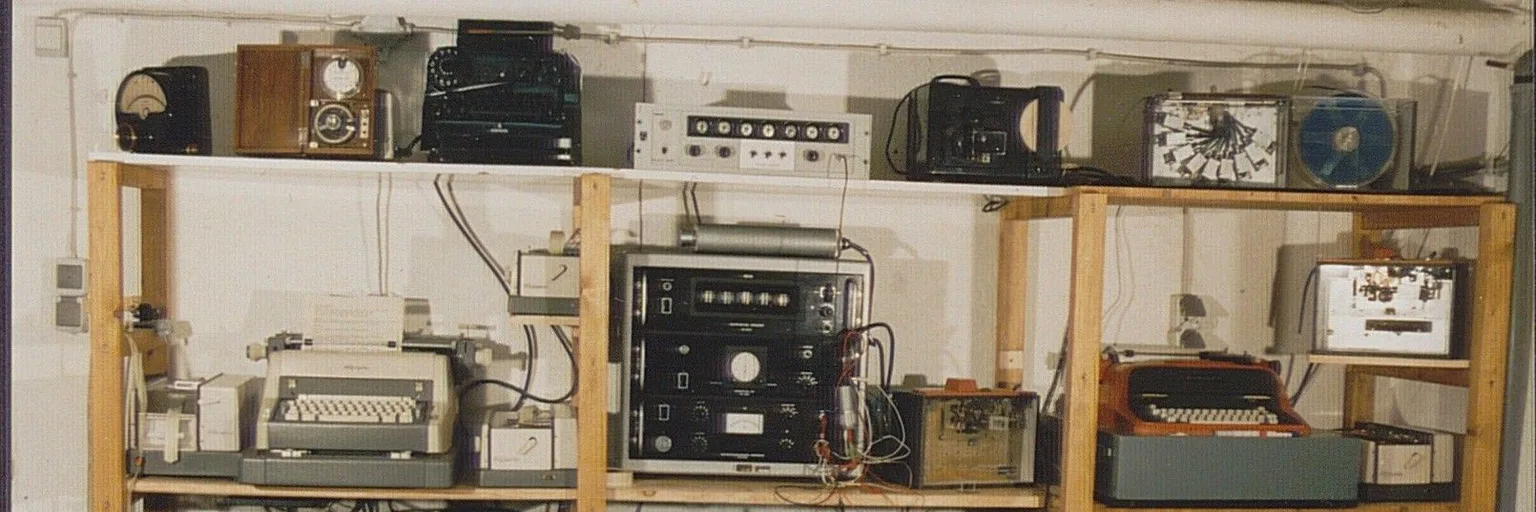
Getting an old machine to exchange bytes with a modern one is the unglamorous craft that keeps vintage computers useful, and it deserves more respect than emulators get.
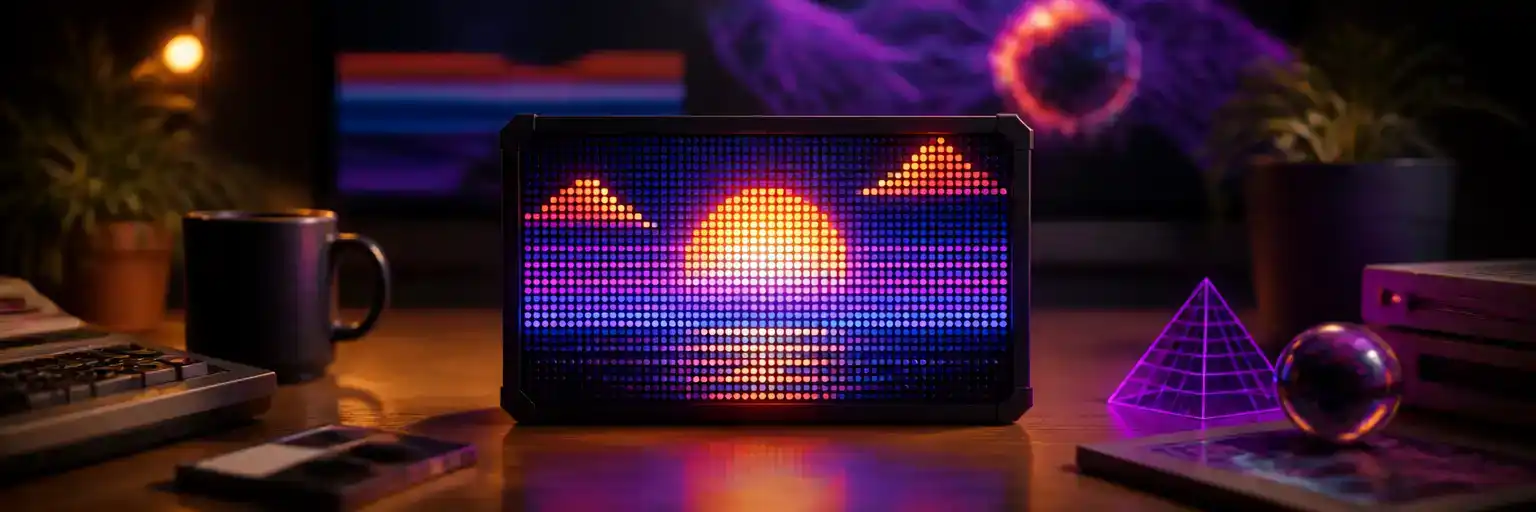
LEDABLE's retro pixel display sells constraint as a feature, the same trick the demoscene has used for decades. Its real test is whether the apps stay open.
A YouTuber's jumper-setting, 2GB-drive nostalgia build is more than sentiment: it's a rational retreat from a market where AI demand squeezes memory, GPU and storage.
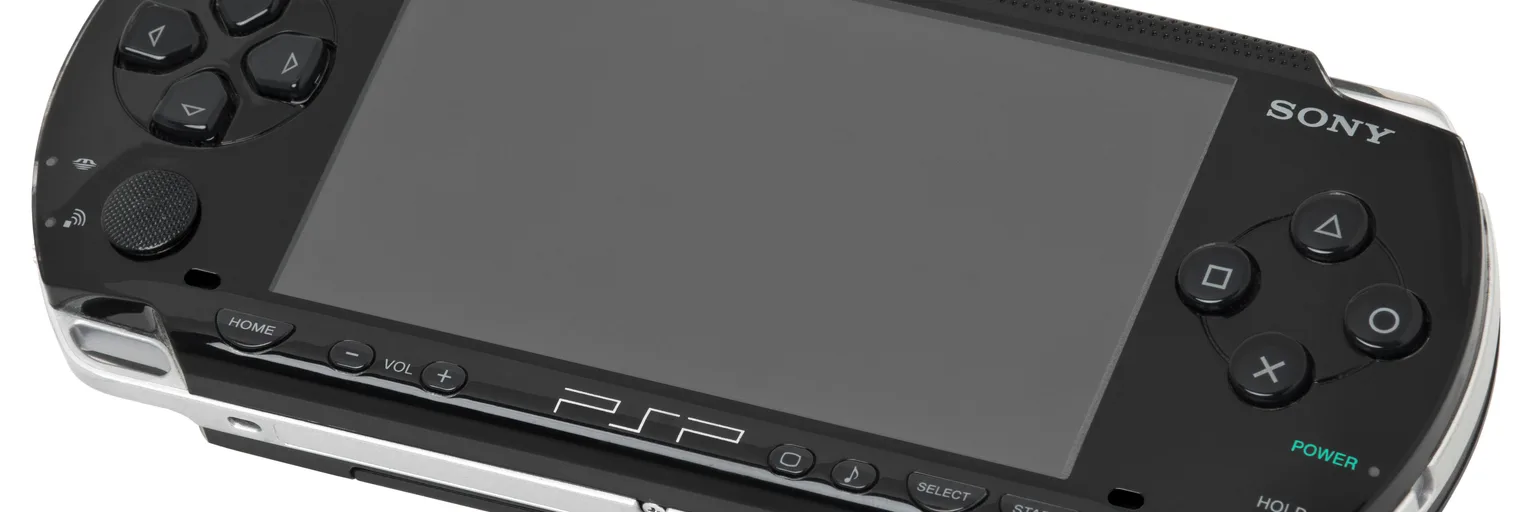
Native, unofficial PC builds of two PSP God of War games show why static recompilation is the more promising preservation tool, legal gray zone and all.
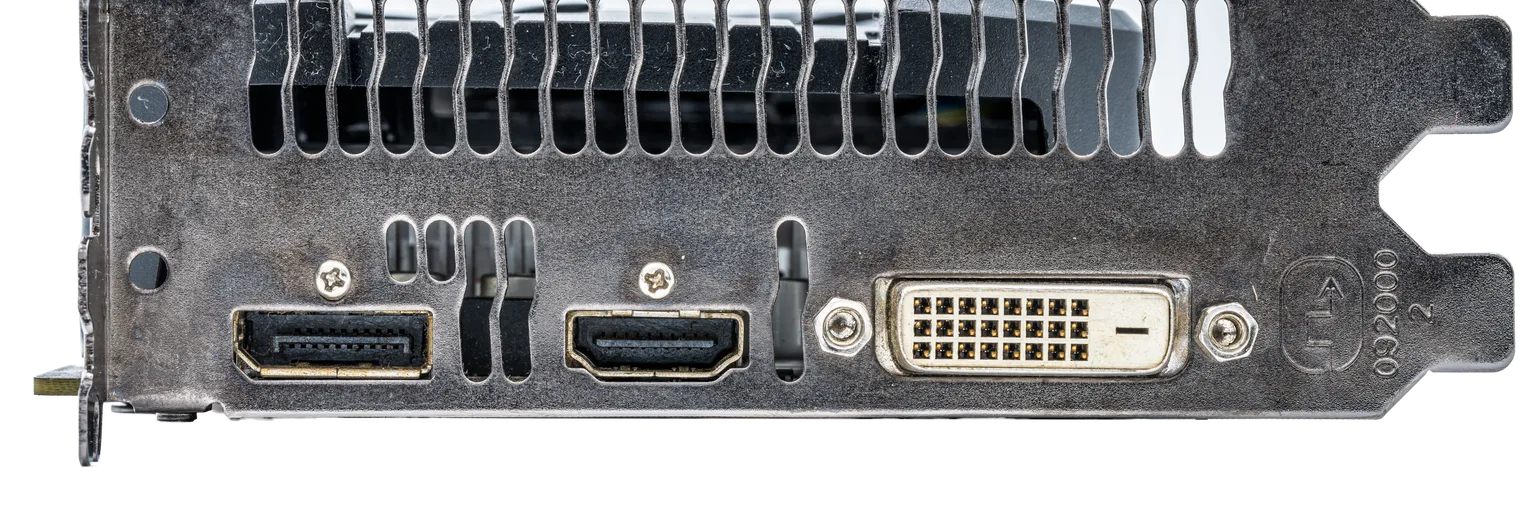
A 2011 GPU roundup shows how fast memory budgets grew. We think part of that growth is real progress, and part is a habit of never having to economize.
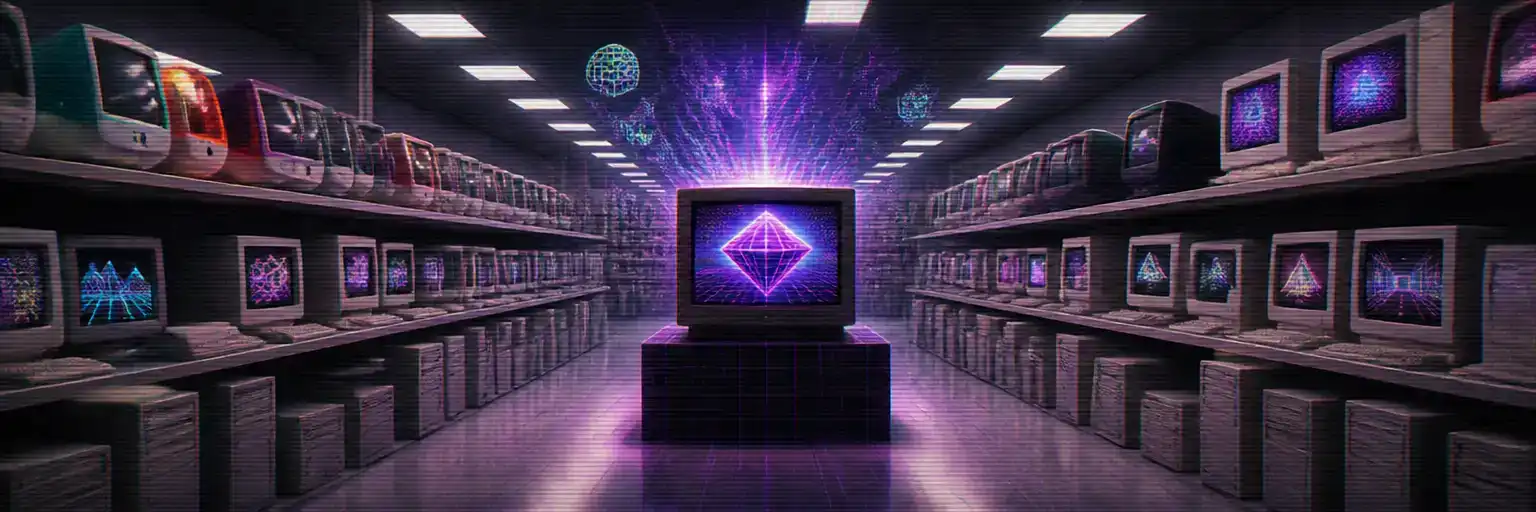
A video of a November 2000 CompUSA in New York stirs nostalgia, but the real loss is the shared shelf where beige PCs and Macs competed side by side in person.
A 25-year cryptographic mystery turned out to be a 1990s C library generator and a clock, and the skill that cracked it looks closer to retrocomputing than to math.
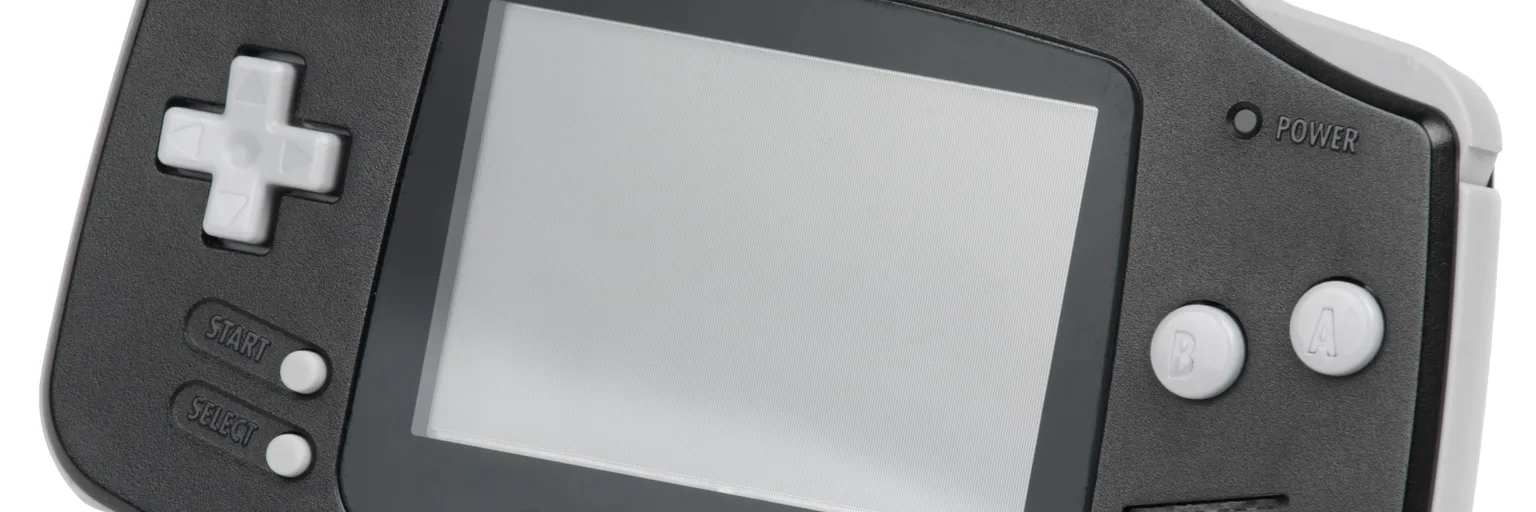
An unmodded Game Boy Advance now works as a music synth. We think that proves chiptune's soul is in the quirks of the original silicon, not in sample packs or emulation.