Print's Enduring Byte: Why Retro Gaming Magazines Thrive in 2026
In an increasingly digital world, the surprising resilience and resurgence of specialized print magazines for retro computing and gaming highlight a deep-seated craving for tangibility, expert curation, and a sense of shared history.
AI-generated image
In an era saturated with ephemeral digital content, is there still room for the tactile pleasure of a physical magazine? For anyone observing the niche world of retro computing and gaming, the answer in 2026 is a resounding yes. Far from being a relic, print media in these specialized domains isn't just surviving; it's seeing new life, underscoring a fundamental appeal that digital formats, for all their convenience, simply can't replicate.
The broader landscape of traditional paper gaming press has largely receded, with many iconic titles fading into digital-only archives. Yet, a vibrant counter-narrative exists within retro computing communities. While some major titles like PC Gamer (US Edition) continue to release new issues in print, covering modern releases such as Planet Zoo 2 in September 2026, the true story for print's resurgence lies in its ability to tap into a potent blend of nostalgia and the demand for deeply curated content.
The Enduring Appeal of the Tactile Byte
Indeed, recent years have seen specialized magazines not only resisting the digital tide but actively launching or reviving projects. As of October 2026, Spanish video game magazines, including revived classics, are being published, joining established English-language publications like the long-running Edge in the UK. The UK's Edge magazine, for instance, remains an essential resource for game industry professionals, aspiring developers, and committed hobbyists, offering developer insight and thoughtful criticism years after its inception. Its continued existence in print suggests a hunger for in-depth, considered analysis that digital-first content often struggles to provide.
But it is the specific appeal to retro enthusiasts that truly highlights print's enduring allure. This segment of the market finds a strong connection with physical publications, particularly those dedicated to past eras of computing and gaming. The Video Game History Foundation, for example, maintains a library of print magazines precisely to offer historians a direct window into how games were played, advertised, and discussed at the time of their release. This commitment to physical preservation speaks volumes about the perceived value of print as an artifact, a tangible link to a bygone era that digital reproductions, however faithful, cannot fully replicate.
A Nostalgic Revival, Reimagined for Today
Many of these specialized magazines are direct continuations or homages to classics. In Spain, for example, Hecho con Pixels now publishes 'Píxels', a magazine consecrated to retro, and official continuations of iconic kiosk titles like 'Microhobby' and, more recently, 'Micromanía'. The latter, which originally ceased publication in January 2024, has seen a thoughtful revival. This new incarnation adopts a format measuring 25cm x 35cm, larger than most contemporary magazines, aiming to evoke the classic tabloid era that many readers remember fondly. Published bimonthly, it's available in PDF, paper, or both, offering classic analyses of machines like the Amiga, Atari ST, MS-DOS, Game Boy, NES, Master System, Mega Drive, and SNES, alongside arcade content, retro scene news, and solutions. This blend of old and new distribution channels acknowledges both the modern digital landscape and the persistent demand for a physical product.
Behind these revivals are often seasoned journalists from the golden age of Spanish video game journalism, such as José Luis Sanz and Marcos García, ensuring the content resonates with long-time fans who trust their expertise and perspective. This move is clearly aimed at a discerning market of
No topics yet: start the first one.
More stories
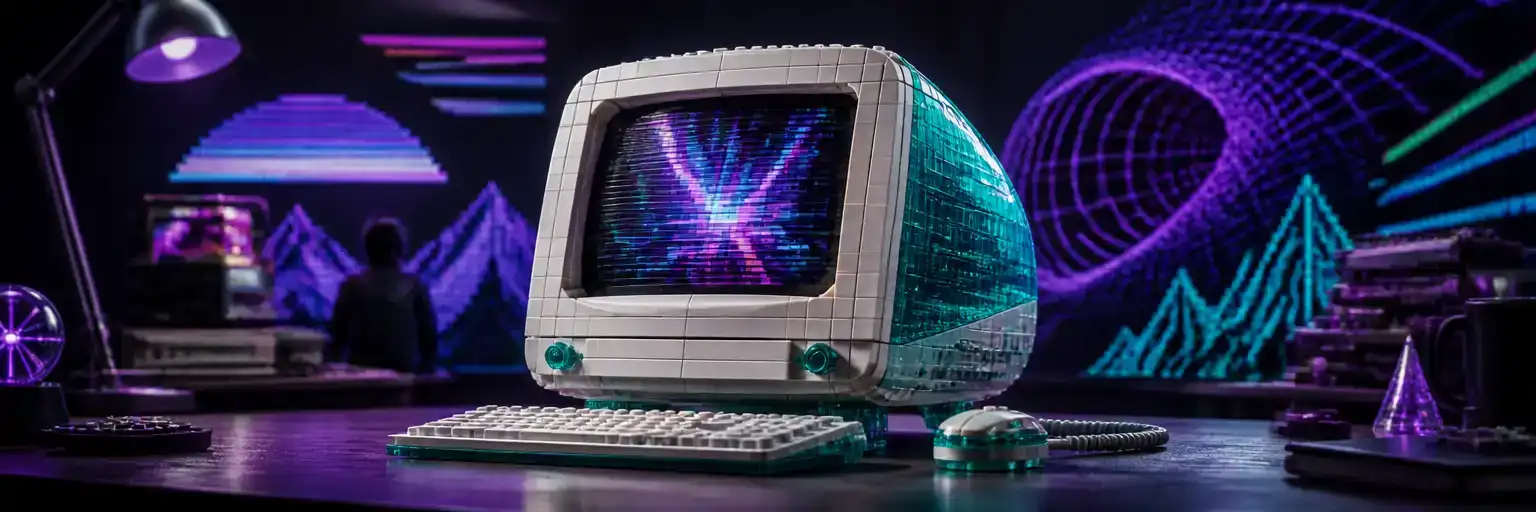
Why the iMac G3 LEGO project is more than just nostalgia
The community-backed initiative to immortalize the iconic Apple iMac G3 in LEGO bricks is not merely a trip down memory lane, but a powerful affirmation of design's lasting influence and a catalyst for digital art's future.
Flash Games: The Unsung Blueprint for Accessible Creative Coding
The remarkable resurgence of archived Flash games reveals a pivotal moment for creative coding and browser-based experiences, underscoring the enduring power of accessible tools and dedicated digital preservation.

PS5 Emulation on Xbox: A Boundary-Breaking Technical Statement
The surprising development of PlayStation 5 games booting on Xbox Series X via emulation is a testament to the open-source community's ingenuity, signaling a future where console boundaries blur and preservation efforts gain unprecedented visibility.

Community Ports: The Essential Architects of Retro Gaming's Future
Community-driven recompilations and native ports are not merely about reliving nostalgia; they represent the most dynamic and critical force ensuring classic games endure against technological obsolescence and proprietary barriers.