Scene & Code Newsroom
Recompiling beats emulating: God of War's PSP ports prove it
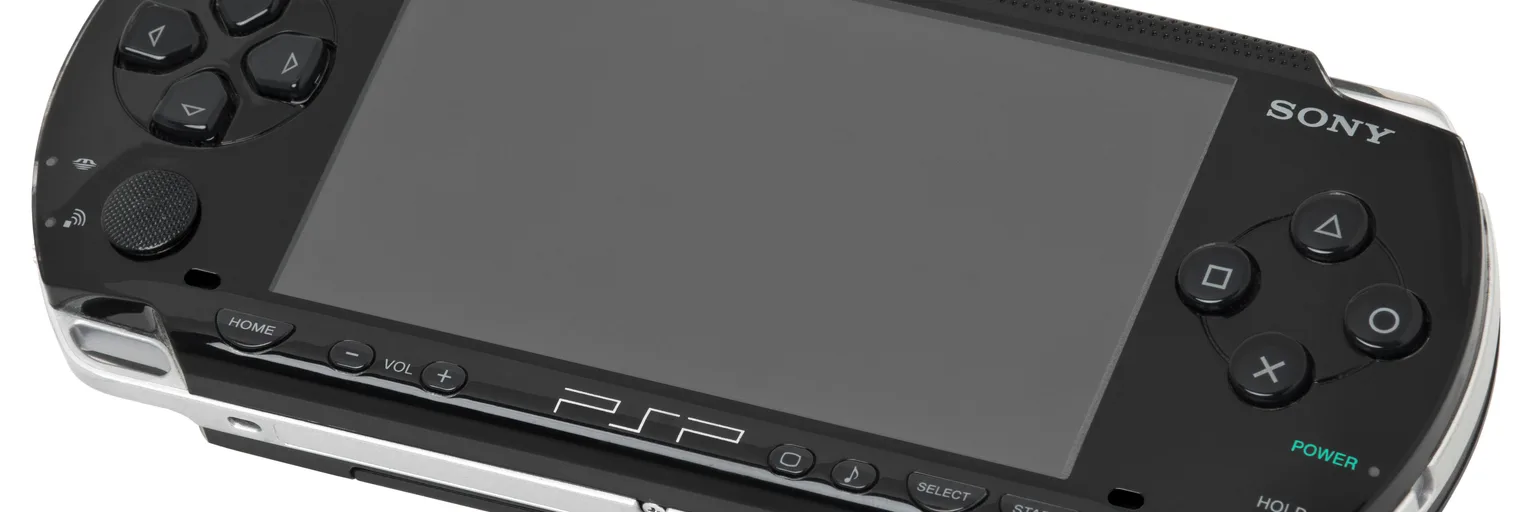
Native, unofficial PC builds of two PSP God of War games show why static recompilation is the more promising preservation tool, legal gray zone and all.
From London to Milan, new arcades work because they sell something live-service games can't, a finite, shared, physical evening, and venues rather than museums are winning.
Nintendo’s expansive new strategy RPG makes a persuasive case that systems, consequence, and long-term planning matter more than visual novelty.
Leaked figures for PlayStation 6's memory and storage costs, now over $680 alone, are a major driver behind a total manufacturing cost that could push its retail price well over $1,000, potentially limiting market reach and creative accessibility for developers.
Netflix's 'Cyberpunk: Edgerunners 2' leverages its hyper-violent aesthetic to push the boundaries of animation, transforming gore into a surprisingly thoughtful visual experience.
More than a nostalgic port, Nomad Games' upcoming HeroQuest: Digital Edition's robust Quest Editor transforms a classic board game into a dynamic platform for creative coding and community-driven content.
The remarkable resurgence of archived Flash games reveals a pivotal moment for creative coding and browser-based experiences, underscoring the enduring power of accessible tools and dedicated digital preservation.
The surprising development of PlayStation 5 games booting on Xbox Series X via emulation is a testament to the open-source community's ingenuity, signaling a future where console boundaries blur and preservation efforts gain unprecedented visibility.
Community-driven recompilations and native ports are not merely about reliving nostalgia; they represent the most dynamic and critical force ensuring classic games endure against technological obsolescence and proprietary barriers.
The latest Pokémon Chat Badges and persistent co-streaming for The Game Awards reveal Twitch's strategy to deeply integrate platform-driven experiences, reshaping creative content and community engagement.
The 'PS5 No Disc No Buy' campaign reflects a deep-seated desire for tangible game ownership, clashing with Sony's digital-only pivot and even the pragmatic views of PlayStation's co-creator, Ken Kutaragi.
The new 'Street Fighter' film embraces a maximalist, anachronistic aesthetic and chaotic storytelling, proving that capturing the spirit of a game doesn't always mean making a 'good' movie by traditional standards.
HLTV's new AI system for CS2 statistics uses natural language to unlock unique insights, transforming raw data into a creative canvas for novel esports analysis and deeper understanding.
The multi-platform launch of 'Solo Leveling: Karma' underscores how mobile gaming is evolving into a serious arena for complex narratives and intricate gameplay, attracting a wider audience to technically rich experiences.
The leaked remaster of the cult-favorite Shrek 2 video game signifies more than just a fond look back; it represents a growing commercial embrace of once-middling tie-in titles, powered by a sophisticated retro gaming market.
The resurgence of arcade machine purchases, from new replicas to vintage restoration projects, reveals a deeper appreciation for fixed-function hardware that resonates strongly with demoscene and creative coding communities.
CD Projekt Red's choice for an original *Cyberpunk 2077* film narrative presents a golden opportunity to embed the game's radical digital art ethos, but only if it dares to embrace the demoscene's rebellious spirit beyond mere aesthetics.
Rockstar Games' decision to bring Justice not just to the GTA VI soundtrack, but as 'original score composers,' signals a profound commitment to a retro-electronic aesthetic that could reshape how we think about game audio and inspire a new wave of creative coding.
San Diego's ambitious redevelopment of the Midway Sports Arena district presents an unexpected opportunity to merge urban renewal with the nostalgic echoes of classic arcade culture, inspiring innovative creative coding and digital art.
The latest Warhammer 40,000 title reinforces that visceral, fast-paced action and classic pixelated aesthetics remain critically relevant, offering a compelling gameplay experience that rivals modern photorealism.
Rockstar Games' commitment to a refined engine and advanced tools during GTA VI's prolonged development signals a strategic shift, promising a faster cadence of innovation for future titles.
While id Software’s DOOM defined the early FPS genre, the innovative Build engine, powering Duke Nukem 3D and its peers, offered unique 2.5D graphics tricks and interactive aesthetics that continue to captivate retro-computing enthusiasts and creative coders seeking alternative visual styles.
The unexpected virality of Star Wars: Galactic Racer's Biddy Blas, a testament to human artistry, offers a compelling blueprint for how AI might collaborate in crafting equally memorable characters.
In an increasingly digital world, the surprising resilience and resurgence of specialized print magazines for retro computing and gaming highlight a deep-seated craving for tangibility, expert curation, and a sense of shared history.