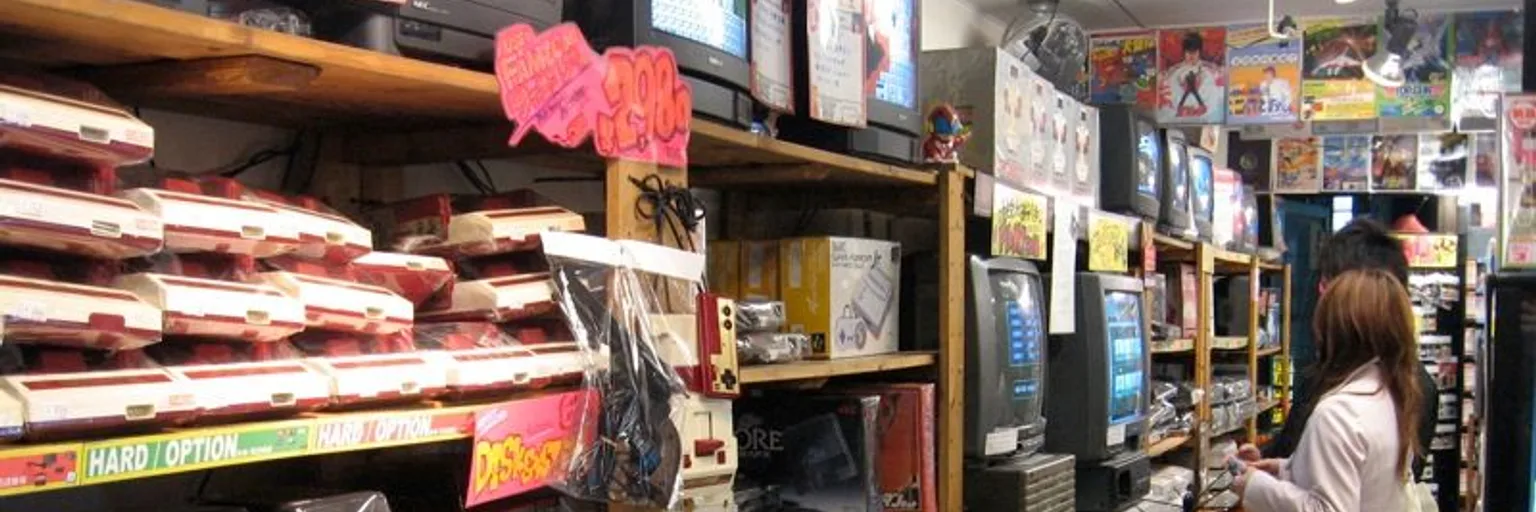
The Web Browser: Gaming's New Frontier for Retro Emulation
Modern web technologies and dedicated mobile solutions are not just making classic games accessible; they're fundamentally reshaping digital preservation and inspiring creative coding.
AI-generated image
Are we entering an era where our web browsers and smartphones become the ultimate gateways to gaming's past? It certainly appears that way. The convergence of increasingly powerful web technologies and dedicated mobile emulation solutions is not just making retro gaming more accessible; it’s fundamentally reshaping how we interact with and preserve digital history, offering fertile ground for creative minds.
Recent developments underscore this trend. Magic DosBox is noted as a robust MS-DOS emulator for Android, enabling PC classics on mobile. Simultaneously, there is a growing number of PC and console games playable directly in the browser, instantly and without any installation. This dual approach to accessibility is rapidly turning any modern device into a potential retro gaming powerhouse.
The Browser as a Universal Gaming Machine
The web browser, once primarily a document viewer, has evolved into an incredibly capable application platform. Sites like EmuBrowser, Classic Game Zone, and Play Classic Games now offer hundreds of classic retro video games—from SNES, NES, Sega Genesis, PlayStation 1, and Nintendo 64 to Game Boy Advance titles—playable directly in a browser tab. This isn't just a convenient trick; it represents a significant shift in how we approach digital preservation and interactive entertainment.
What makes this possible is a sophisticated blend of web technologies, with WebAssembly and JavaScript leading the charge. Platforms such as webЯcade perfectly illustrate this by running games natively within the browser, utilizing JavaScript, WebAssembly, and the HTML5 gamepad and audio interfaces. This native execution, rather than streaming, ensures a fluid and responsive experience, bringing titles for systems like Atari, Nintendo, and Sega, and even game engines like Classic Doom, to desktops, mobile devices, and Xbox Series X|S consoles.
The emphasis on open-source code and user-defined feeds for gaming resources is particularly significant. WebЯcade's entire codebase is open source, inviting community contributions and modifications. This model empowers users to not only play but also to curate and share their own retro game collections, transforming passive consumption into active participation. For creative coders, this represents an exciting new canvas, where the browser's capabilities can be pushed to emulate complex systems and even inspire new web-based interactive experiences, moving beyond simple nostalgia to genuine innovation.
Mobile's Untapped Retro Potential
While browsers conquer a broad spectrum of consoles, the unique challenge of bringing PC classics, especially those designed for keyboards and mice, to touch-only mobile devices remains. This is where applications like Magic DosBox for Android truly shine. The developer of Magic DosBox recounts a journey driven by the frustration of poor controls on earlier Android DOSBox ports, particularly for iconic games like Dune 2.
The ingenious solution developed by Magic DosBox focuses on user-friendly on-screen widgets that can emulate keyboards, mice, and even system functions. This innovation is critical because it bridges the gap between legacy input methods and modern touch interfaces, making traditionally complex PC games genuinely playable on a smartphone or tablet. Imagine playing Dune 2 or Wing Commander with customizable on-screen controls that adapt to your preferences, rather than struggling with awkward virtual joysticks.
Magic DosBox's ability to offer full mouse, keyboard, sound, and gamepad support, alongside IPX network play for multiplayer, demonstrates a deep understanding of what makes retro PC gaming enjoyable. It is an argument for thoughtful adaptation over mere porting, proving that with enough ingenuity, even the most archaic interfaces can find new life on the devices we carry daily.
A Future Defined by Access and Creativity
The dual advancements in browser-based emulation and specialized mobile solutions like Magic DosBox signify more than just improved access to old games. They highlight a broader trend where digital content is becoming truly platform-agnostic, liberated from the confines of original hardware. This democratizes access to cultural artifacts that might otherwise be lost to time or locked behind increasingly rare equipment.
For the demoscene and creative coding communities, these developments open up new avenues for exploration. WebAssembly's performance allows for intricate visual and audio syntheses directly in the browser, while the open-source nature of platforms like webЯcade encourages experimentation with custom feeds and new emulation targets. The future of retro gaming isn't just about playing old games; it's about leveraging modern technology to preserve, innovate, and inspire a new generation of digital creators within the incredibly versatile environment of the web.
No topics yet: start the first one.
More stories
Why the iMac G3 LEGO project is more than just nostalgia
The community-backed initiative to immortalize the iconic Apple iMac G3 in LEGO bricks is not merely a trip down memory lane, but a powerful affirmation of design's lasting influence and a catalyst for digital art's future.
Flash Games: The Unsung Blueprint for Accessible Creative Coding
The remarkable resurgence of archived Flash games reveals a pivotal moment for creative coding and browser-based experiences, underscoring the enduring power of accessible tools and dedicated digital preservation.

PS5 Emulation on Xbox: A Boundary-Breaking Technical Statement
The surprising development of PlayStation 5 games booting on Xbox Series X via emulation is a testament to the open-source community's ingenuity, signaling a future where console boundaries blur and preservation efforts gain unprecedented visibility.

Community Ports: The Essential Architects of Retro Gaming's Future
Community-driven recompilations and native ports are not merely about reliving nostalgia; they represent the most dynamic and critical force ensuring classic games endure against technological obsolescence and proprietary barriers.