Community Ports: The Essential Architects of Retro Gaming's Future
Community-driven recompilations and native ports are not merely about reliving nostalgia; they represent the most dynamic and critical force ensuring classic games endure against technological obsolescence and proprietary barriers.
Photo: Nicholas / Wikimedia Commons (CC BY 2.0)
Are we truly safeguarding the digital heritage of video games, or are we passively watching beloved classics fade into the digital ether, trapped on aging hardware and deprecated operating systems? While official remasters and console backward compatibility initiatives certainly play a role, the true unsung heroes of retro game preservation are the passionate communities undertaking the complex work of recompiling and porting vintage titles to modern platforms. These grassroots efforts are not just about nostalgia; they are a vital, dynamic movement ensuring that the games we cherish remain playable, accessible, and even enhanced for future generations.
At the heart of this movement are projects that involve taking original game code, often through a process of decompilation to understand its inner workings, and then recompiling it to run natively on contemporary hardware. These aren't mere emulations, which simulate the original hardware; they are native conversions that breathe new life into old code. A prime example of this burgeoning ecosystem is allrecomps.com, an independent library that meticulously catalogs these community-driven recompilations and ports. The sheer volume and ambition of these projects, spanning everything from classic PC titles to console gems, demonstrate a collective will to defy digital rot.
Beyond Emulation: True Portability and Performance
One of the most compelling aspects of community recompilations is their ability to transcend the limitations of emulation. While emulators are invaluable, they often come with performance overheads or accuracy quirks, and they still rely on the existence of the original ROMs or disc images. Recompilations, however, convert the game's core logic into code that runs directly on modern operating systems like Windows and Linux, as noted by pcmrace.com. This native execution not only often results in superior performance and stability but also opens the door for these games to run on a wider array of devices, from high-end gaming PCs to handheld Linux devices managed by tools like PortMaster.
This distinction is crucial for longevity. As technology advances, maintaining functional emulation layers for increasingly obscure hardware becomes a Sisyphean task. Native ports, built on existing operating systems, are inherently more adaptable. They detach the game from its original, often proprietary, hardware constraints, ensuring its playability doesn't hinge on the dwindling supply of working vintage consoles or the reverse-engineering efforts required for accurate emulation. Projects like these turn classic games into living software, rather than museum pieces that need increasingly complex machinery to exhibit.
The Preservation Imperative: Future-Proofing Our Digital Past
The most profound impact of community recompilations lies in their role in digital preservation. Many classic games are locked behind proprietary formats, specific operating systems, or hardware that is rapidly approaching the end of its functional life. Official publishers often lack the incentive or resources to port every legacy title, leaving countless games vulnerable to becoming unplayable. Community efforts fill this void, acting as digital archivists who are not content with simply documenting history but actively rewriting it to ensure continued access.
Consider the numerous titles that would otherwise be lost to time, relegated to expensive collector's items or fragile disc media. These community ports, by making games available on readily accessible platforms, democratize access and prevent them from becoming mere academic curiosities. They are a stark reminder that true preservation often comes from the collective passion of fans rather than top-down corporate initiatives, establishing a practical, open-source path for games to escape planned obsolescence.
Modern Enhancements and Community-Driven Evolution
Beyond mere functionality, community recompilations frequently introduce significant enhancements that elevate the original experience. These can include support for modern resolutions and aspect ratios, improved framerates, bug fixes that were never addressed in official patches, and even entirely new quality-of-life features. What starts as a technical exercise in porting often evolves into a full-fledged community-driven remaster.
For enthusiasts managing a growing collection of these recompiled classics, tools like Quiver, as highlighted by xda-developers.com, are becoming indispensable for organizing and updating their libraries. This ecosystem of creation and management underscores a vibrant, active community constantly striving to improve and maintain these living works. It's a testament to how passionate players become developers, not just consuming content, but actively shaping its future and ensuring that the golden age of gaming remains eternally playable.
In our view, the community recompilation movement is far more than a niche hobby; it is a critical pillar of game preservation and accessibility. These projects offer a robust, adaptable, and constantly evolving solution to the challenge of digital decay, ensuring that the ingenuity and artistry of classic game development can be appreciated by generations to come. They are, quite simply, essential.
No topics yet: start the first one.
More stories
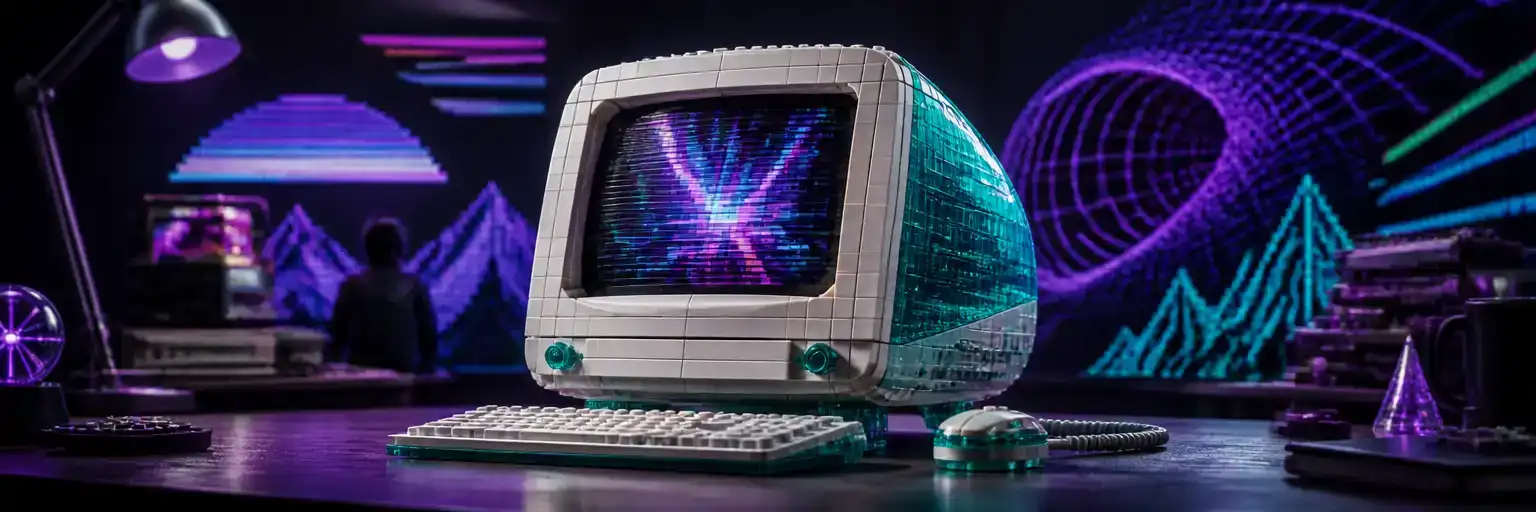
Why the iMac G3 LEGO project is more than just nostalgia
The community-backed initiative to immortalize the iconic Apple iMac G3 in LEGO bricks is not merely a trip down memory lane, but a powerful affirmation of design's lasting influence and a catalyst for digital art's future.
Flash Games: The Unsung Blueprint for Accessible Creative Coding
The remarkable resurgence of archived Flash games reveals a pivotal moment for creative coding and browser-based experiences, underscoring the enduring power of accessible tools and dedicated digital preservation.

PS5 Emulation on Xbox: A Boundary-Breaking Technical Statement
The surprising development of PlayStation 5 games booting on Xbox Series X via emulation is a testament to the open-source community's ingenuity, signaling a future where console boundaries blur and preservation efforts gain unprecedented visibility.

The Silent Fade: Why Our Retro Hardware's Plastics Are Not Forever
The long-held belief in plastics' chemical inertness is a myth, challenging retro computing preservation and demanding new strategies to save our digital heritage from chemical degradation.