Justice in GTA VI: A Retro-Electronic Masterstroke or Just Marketing Hype?
Rockstar Games' decision to bring Justice not just to the GTA VI soundtrack, but as 'original score composers,' signals a profound commitment to a retro-electronic aesthetic that could reshape how we think about game audio and inspire a new wave of creative coding.
AI-generated image
The buzz around Grand Theft Auto VI has been palpable for months, but the recent reveal of its official soundtrack, Grand Theft Auto VI: The Album, has ignited a particular firestorm in music and gaming circles. With a formidable roster of artists and a promise of 34 original tracks, Rockstar Games is clearly aiming high. Yet, amidst the excitement surrounding names like Travis Scott, PinkPantheress, and Keith Richards, one inclusion stands out: the French electronic duo, Justice.
Initially, fans on Reddit had speculated about Justice's involvement, noting distinct similarities in the trailer's score to their signature sound, even when Shazam couldn't identify the track months ago [1, 2, 7]. These suspicions were recently confirmed, not just by a single track, but by a deeper collaboration: Rockstar has highlighted Justice as "original score composers" for the game [10], with their track "Flower in a Hurricane"—featuring an eclectic mix of Tame Impala, SZA, and King Gizzard & the Lizard Wizard—leading the charge for the launch trailer [8, 9]. This isn't merely a licensed song dropped into a radio station; it's a statement, and one that resonates deeply with the demoscene and creative coding ethos.
More Than Just a Track: A Curated Sonic Identity
For a franchise renowned for its meticulously curated radio stations, the shift to commissioning "original score composers" marks a significant evolution in Rockstar's approach to game audio. Instead of relying solely on existing hits to define the mood, the active involvement of artists like Justice in crafting the very fabric of the game's soundscape suggests a profound commitment to a cohesive aesthetic. Justice, with their distinctive blend of heavy, distorted electronic grooves, often referencing the rawness of early French Touch and electro house, brings a specific sonic texture that transcends mere background music. Their involvement, alongside Guy-Manuel de Homem-Christo of Daft Punk producing a track for Travis Scott [3], signals a deliberate embrace of a sophisticated, modern electronic sound deeply rooted in retro influences. This is not just a commercial partnership; it's an artistic choice to imbue GTA VI's world with a bespoke, curated identity from the ground up, moving game music from incidental listening to an integral part of the artistic vision, much like a film score.
Vice City's Neon Heartbeat: A Retro-Futuristic Soundscape
The choice of Justice is particularly fitting given GTA VI's setting in Vice City and the state of Leonida [3]. Vice City has always been synonymous with a vibrant, neon-soaked aesthetic, heavily drawing from 1980s and early 1990s visual and cultural cues. While Justice's sound is contemporary, it is steeped in the kind of analog warmth, gritty distortion, and infectious rhythm that perfectly complements this retro-futuristic vibe. Their music often feels like a love letter to vintage synth-driven melodies, infused with a modern, aggressive edge. This fusion of past and present helps to establish a dynamic atmosphere that feels both nostalgic and utterly new, reflecting the game's world. By integrating Justice's unique style at such a fundamental level, Rockstar isn't just evoking nostalgia; it’s building a new sonic foundation that feels inherently tied to the narrative and visual language of the game, rather than simply accompanying it.
Inspiring New Horizons for Creative Coders
The implications for creative coding and digital art are substantial. The sophisticated, yet often raw and analog-inspired, electronic palette of Justice presents a rich source of inspiration. For those exploring procedural generation of music, visualizers, or interactive audio experiences, the specific characteristics of this sound—its rhythmic complexity, use of saturation and distortion, and distinctive synth timbres—offer a fascinating template. Creative coders often look to demoscene productions and cutting-edge digital art for inspiration, but a mainstream title like GTA VI embracing such a distinct, technically rich electronic sound could catalyze new trends. We foresee a wave of artists and developers exploring similar sonic landscapes, perhaps even attempting to reverse-engineer or emulate these textures in their own tools and experiments. This move by Rockstar and Justice could push creative boundaries, encouraging a deeper interplay between sound design, visual programming, and interactive media.
Ultimately, the Grand Theft Auto VI soundtrack, with Justice at its core, looks less like a simple collection of licensed tracks and more like a carefully constructed sonic universe. Rockstar Games is taking a calculated risk, moving beyond the familiar and into a territory where sound is not just background but an active participant in world-building. This could redefine expectations for game audio, solidifying GTA VI not just as a cultural phenomenon, but as a potential turning point for how game developers—and by extension, creative coders—think about the integration of music and interactive experiences.
No topics yet: start the first one.
More stories
NES Cartridges: Chiptune's Enduring Playground for Innovation
As artists like Daydream Plus and Riki Iwasaki embrace physical NES cartridges for their chiptune albums, they redefine creative limits and prove that retro hardware is far from obsolete.
Morphoice's ChipTune isn't just nostalgia; it's a testament to timeless sound design
The latest free beta synth from Morphoice, recreating the iconic Commodore 64 SID chip, underscores how foundational retro audio technology continues to shape and inspire modern music production, proving its sound remains as relevant as ever.
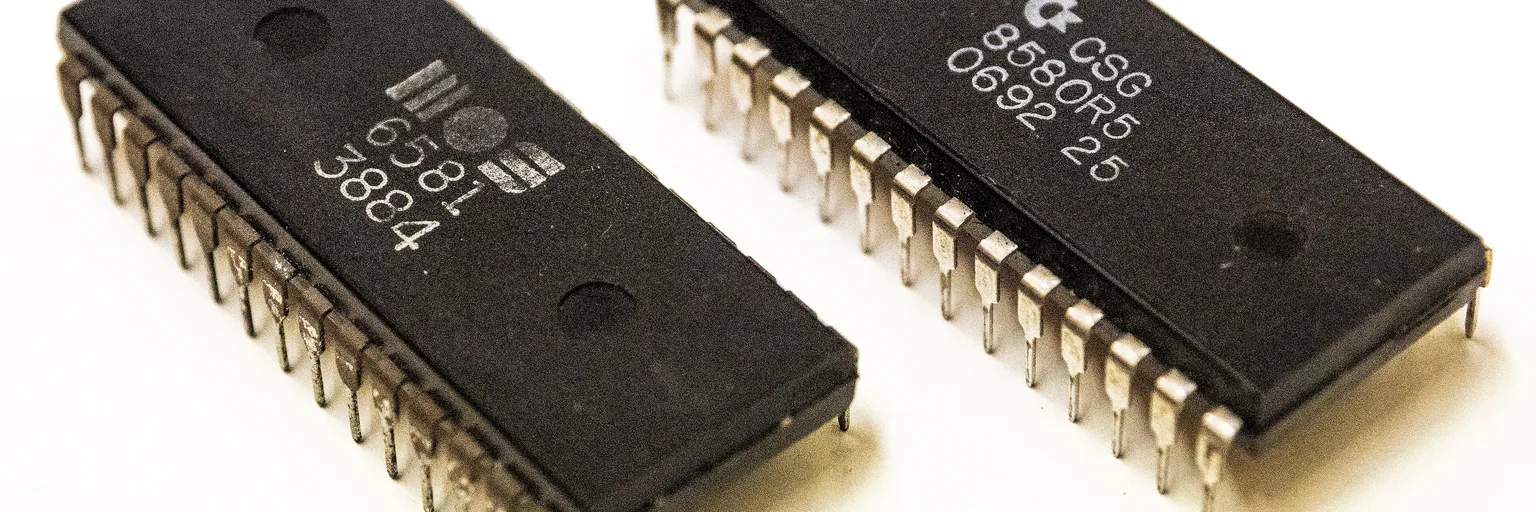
The Kilobyte Symphony: How Tiny Files Make Big Demoscene Sounds
From the Amiga's tracker legacy to the ingenious softsynths of 4K intros, the demoscene reveals how severe constraints can spark unparalleled musical innovation and keep chiptune thriving.