Cyberpunk 2077 Film: Can It Code the Demoscene Spirit into the Big Screen?
CD Projekt Red's choice for an original *Cyberpunk 2077* film narrative presents a golden opportunity to embed the game's radical digital art ethos, but only if it dares to embrace the demoscene's rebellious spirit beyond mere aesthetics.
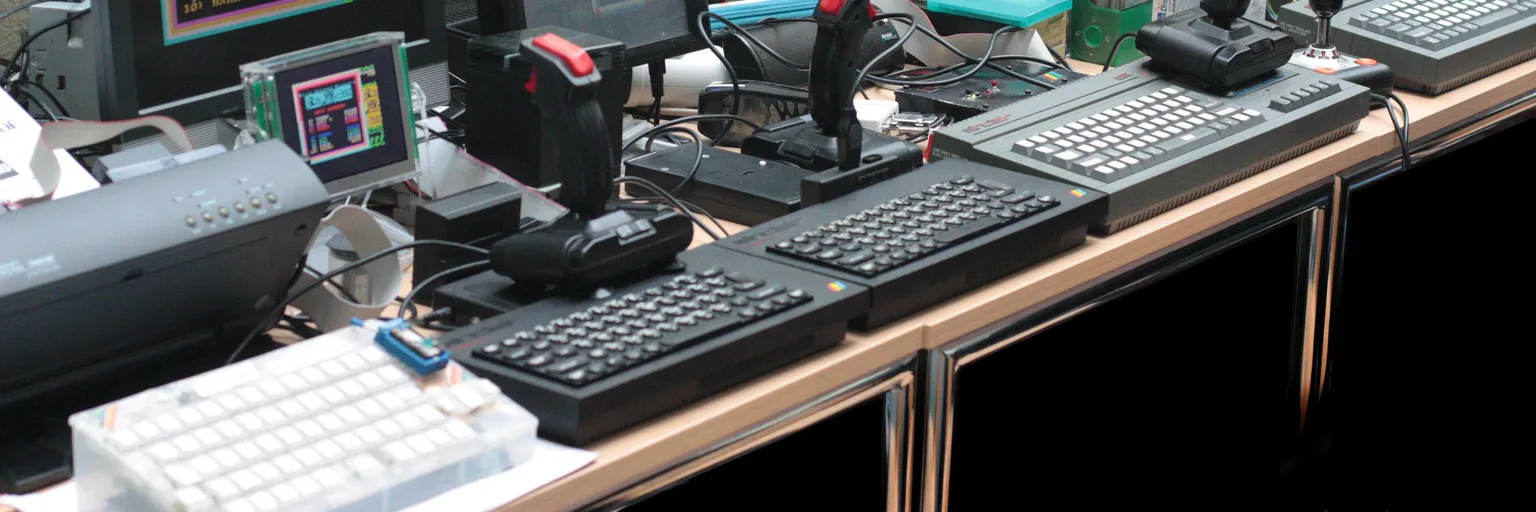
Photo: Klapi / Wikimedia Commons (CC BY-SA 4.0)
When CD Projekt Red announced a live-action Cyberpunk 2077 film, the question wasn't if Night City could be brought to life, but how its distinct, glitch-infused soul could translate. With confirmation from CDPR co-CEO Michał Nowakowski that the film will present an original story, diverging from V's narrative, we find ourselves at a fascinating crossroads. This move isn't just about avoiding a tired retelling; it's a profound opportunity to infuse mainstream cinema with the very essence of creative coding and the demoscene spirit that pulses beneath Cyberpunk 2077's chrome-plated exterior.
The collaboration between CD Projekt Red and Paramount Pictures, with veteran producer Lorenzo di Bonaventura at the helm, marks a significant expansion for the Cyberpunk universe. This fresh narrative approach mirrors the highly successful Cyberpunk: Edgerunners anime, which also told an original tale within Night City and played a crucial role in revitalizing the game's perception after its initial launch woes. With Cyberpunk 2077 now having sold over 40 million copies, the film is positioned not just as an adaptation, but as a new entry point, aimed at drawing fresh eyes into its sprawling, dystopian world, with a release potentially in 2028 or 2029.
The Wisdom of a New Story, The Challenge of a New Vision
CDPR's decision to craft an original story is, in our view, unequivocally the right one. As Nowakowski noted, adapting a sprawling role-playing game like Cyberpunk 2077 into a two- or three-hour film is an almost impossible task without sacrificing narrative depth or player agency. More importantly, it liberates the creative team to explore new facets of Mike Pondsmith's expansive universe, much like Edgerunners did. However, this freedom comes with a critical challenge: how to ensure this new narrative isn't merely another generic sci-fi action flick, but one that truly resonates with the game's unique blend of high-tech and low-life, especially its unspoken connection to digital artistry.
Beyond Aesthetics: Embracing the Demoscene Ethos
The demoscene, for the uninitiated, is a global network of creative coders and artists dedicated to pushing the boundaries of real-time computer graphics, music, and programming within self-contained programs known as 'demos.' It's an underground culture of technical mastery and artistic expression, where constraints often breed astonishing innovation. Cyberpunk 2077, with its glitch art, augmented realities, and pervasive digital networks, echoes this ethos deeply. The game is steeped in a futuristic aesthetic that often feels like a demoscene production writ large, where data streams, neural implants, and AI consciousness represent a new frontier for digital exploration.
For the film to truly succeed, it needs to capture more than just the neon-drenched cyberpunk visual style; it must embody the demoscene's spirit of subversive creativity. This means celebrating the rogue coders, the digital artists, and the boundary-pushing individuals who manipulate technology not just for profit or power, but for pure, unadulterated expression. We contend that the film should weave in narratives that explore the creation or manipulation of digital art forms, the inherent beauty in system glitches, or the philosophical implications of digital consciousness and identity. Instead of merely showing advanced technology, it should hint at the raw, often illicit, creative coding that makes Night City's digital underworld tick.
A Canvas for Creative Code on the Big Screen
The opportunity here is immense. By leveraging the visually experimental nature inherent to the demoscene, the Cyberpunk 2077 film could deliver a truly unique cinematic experience. Imagine a film where visual effects aren't just seamless spectacle but deliberately evoke the real-time, procedural generation of a demo. This could manifest in deliberately stylized glitches, emergent visual patterns, or a soundtrack that integrates chiptune or heavily synthesized electronic music in a diegetic way, reflecting the digital artistry of its world. This is where the film could distinguish itself, transcending the typical video game adaptation formula to become something truly groundbreaking, introducing mainstream audiences to the concepts of creative coding and digital art in a visceral, engaging way. Di Bonaventura's mixed track record with adaptations like Dead Rising: Watchtower and Doom: Annihilation suggests that artistic boldness will need strong guidance from CDPR to ensure this vision is fully realized, rather than watered down for mass appeal.
Ultimately, the Cyberpunk 2077 film has the potential to be more than just a successful movie; it could be a cultural touchstone that bridges the gap between high-budget cinema and the underground digital art world. For this to happen, it must not only tell a compelling original story but also courageously embrace the intrinsic digital artistry and rebellious spirit that defines the Cyberpunk universe and, by extension, the demoscene. Only then can it truly resonate with existing fans and carve out a meaningful legacy in the expanding media landscape of Night City.
No topics yet: start the first one.
More stories
Twitch's Unexpected Canvas: Why Demoscene and Creative Coding Thrive Live
Beyond its gaming roots, Twitch has cultivated a vibrant, interactive home for live coding, fostering real-time collaboration and community growth among demoscene artists and creative programmers.
Why the ZX Spectrum Demoscene Still Compels Creative Coders
Mark Dastmalchi-Round's recent ZX Spectrum demoscene intro illustrates how stringent retro hardware limitations ignite ingenuity and push creative boundaries in the modern era.
Size Coding's Enduring Fascination: The Art of Extreme Compression
In an era of boundless storage, the demoscene's size-coding artists continue to push boundaries, crafting complex visual and auditory experiences within minuscule byte limits, proving ingenuity trumps gigabytes.
The Demoscene: Digital Art's Unsung Vanguard Earns Global Stage
From its humble origins in 1980s software cracktros to gaining UNESCO cultural heritage status, the demoscene stands as a testament to digital creativity and technical artistry.