GTA VI's 'Delay' Isn't a Setback, It's an Investment in Rockstar's Future
Rockstar Games' commitment to a refined engine and advanced tools during GTA VI's prolonged development signals a strategic shift, promising a faster cadence of innovation for future titles.
Photo: Rockstar Games / Wikimedia Commons (Public domain)
The road to Grand Theft Auto VI has been long, marked by a 13-year wait since its predecessor and a development cycle that has seen its release window shift from an initial Fall 2025 expectation to May 2026, and finally to November 19, 2026. While each adjustment brought understandable disappointment for eagerly awaiting fans, Rockstar Games has offered a compelling counter-narrative: this extended period isn't just about polishing a single game, but about forging a new, faster future for the studio's entire output.
Rockstar has been explicit, stating that these extra months will allow them to finish the game with the level of polish players expect and deserve. We believe this focus on refinement is a strategic move, positioning GTA VI not just as a blockbuster, but as a crucial foundational project for future titles.
The Cost of Ambition: A Massive Investment
The development of Grand Theft Auto VI has been an undertaking of staggering scale. Preliminary work began as early as 2014, shortly after the launch of GTA V, with actual development commencing in late 2018. This prolonged gestation period has involved a significant financial commitment, with Rockstar North alone reportedly spending nearly $3 billion in staff costs between 2019 and 2025, according to Wccftech. The game is set in the expansive state of Leonida, Rockstar's take on Florida, which includes a modern-day Vice City, drawing clear parallels to Miami's social-media-saturated culture. This new map is described as roughly double the size of GTA V's world, denser, more detailed, and more interactive than any previous Rockstar creation. Rockstar's research trips for the game included night-time ride-alongs with former cops, nightclub visits, and time spent in the Everglades and the Keys, highlighting their commitment to an authentic, immersive world.
Each delay, though impacting Take-Two's stock, was attributed to the need for additional polish time. This dedication suggests a focus on creating a robust technical foundation rather than simply rushing the product to market.
Foundation for the Future: Faster Development Ahead
Rockstar has explicitly stated that the
No topics yet: start the first one.
More stories
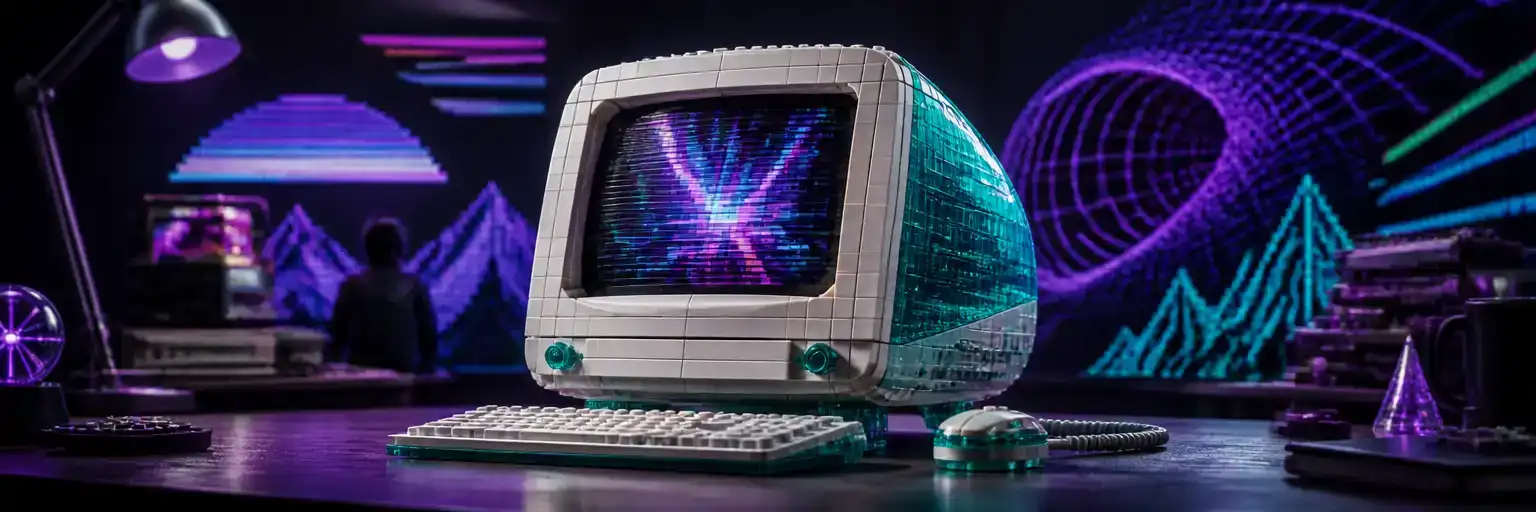
Why the iMac G3 LEGO project is more than just nostalgia
The community-backed initiative to immortalize the iconic Apple iMac G3 in LEGO bricks is not merely a trip down memory lane, but a powerful affirmation of design's lasting influence and a catalyst for digital art's future.
Flash Games: The Unsung Blueprint for Accessible Creative Coding
The remarkable resurgence of archived Flash games reveals a pivotal moment for creative coding and browser-based experiences, underscoring the enduring power of accessible tools and dedicated digital preservation.

PS5 Emulation on Xbox: A Boundary-Breaking Technical Statement
The surprising development of PlayStation 5 games booting on Xbox Series X via emulation is a testament to the open-source community's ingenuity, signaling a future where console boundaries blur and preservation efforts gain unprecedented visibility.

Community Ports: The Essential Architects of Retro Gaming's Future
Community-driven recompilations and native ports are not merely about reliving nostalgia; they represent the most dynamic and critical force ensuring classic games endure against technological obsolescence and proprietary barriers.