Scene & Code Newsroom
FastLoaders prove tracker music was always a rock album
Amiga Rocks Harder shows that game-music heritage survives best when real musicians play it, not when we replay the same files in an emulator for comfort.
Android phones and handhelds now run Windows games through a stack of open translators. That's a gift for access and preservation, but only if the stack stays open and documented.
When the company that helped build Blu-ray stops selling players, discs stop being a hobby and become an archive at risk. Collectors should act now, not later.
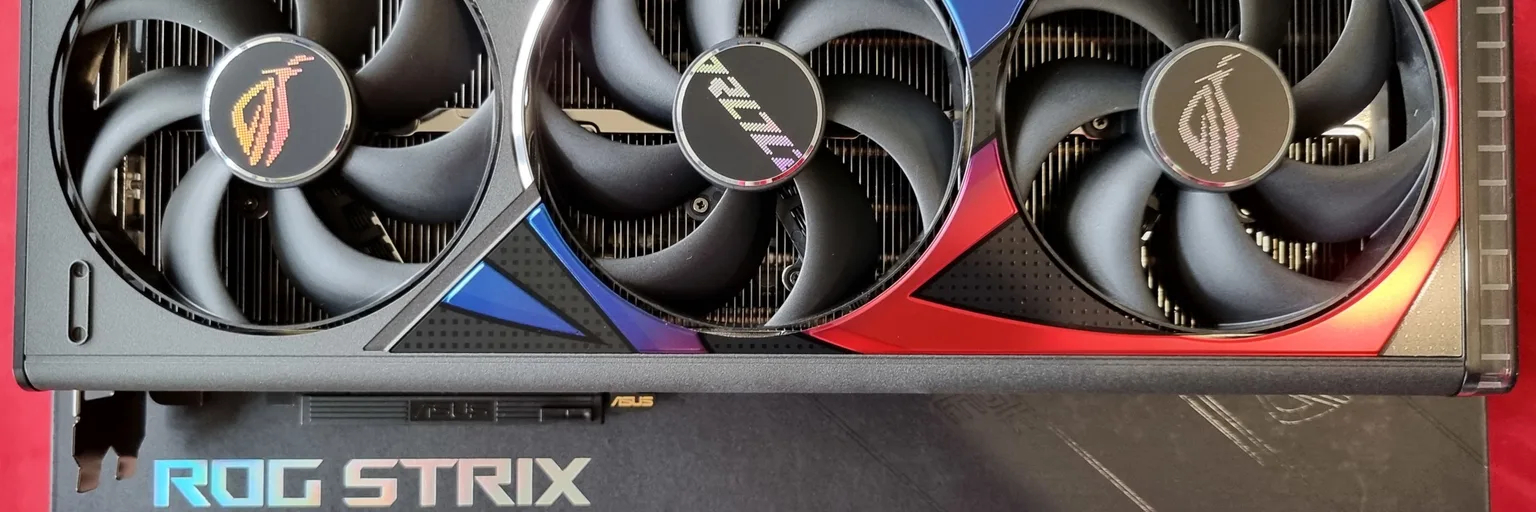
A quiet DLSS 5 neural rendering update for Metro 2033 and Last Light Redux shows AI can revive old games. Preserving the original art still means a real off switch.
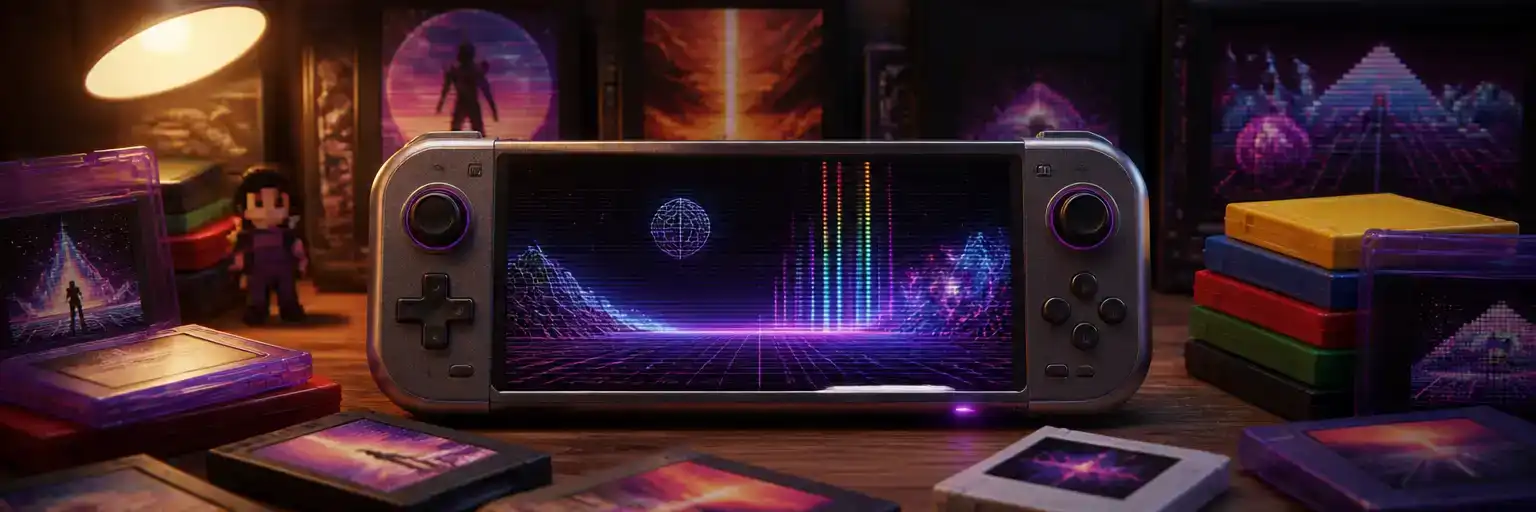
As the next console generation may lean on internet connectivity, Blaze's cartridge handheld shows that curation and ownership can beat raw power, if the library keeps growing.
Delta 2.0 is now on the App Store worldwide, Mega Drive included, and it's a win for preservation, but a fragile one that rests on fees and fine print.
A native PC build of Brawl with 4K, ultrawide and keyboard-and-mouse support shows what fans can do. Its legal and community footing is the real weak spot.
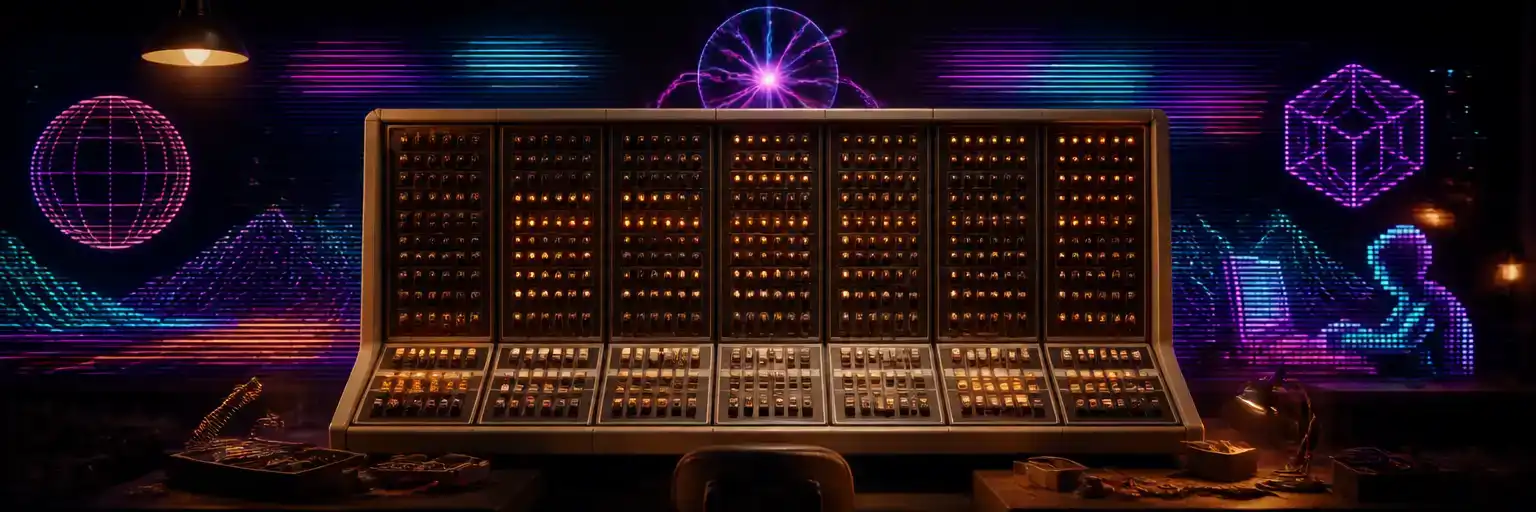
A Chornobyl Family restoration of an ES-4001 control panel shows where retro computing's real frontier lies: in the poorly documented, non-Western machines.
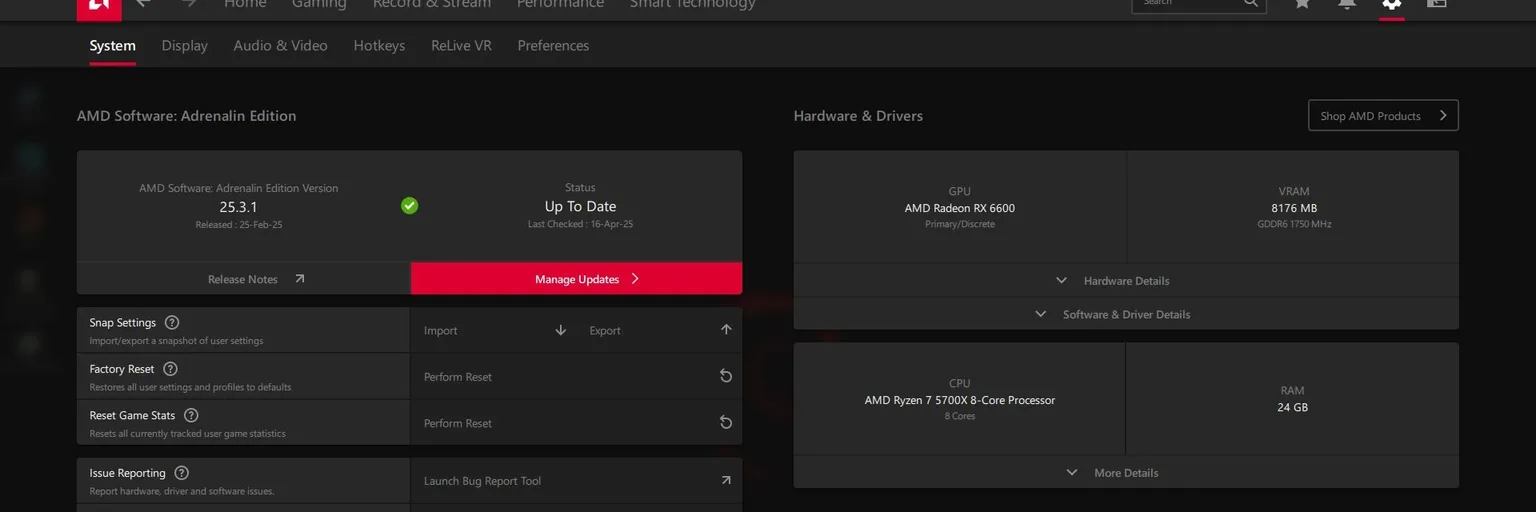
AMD's 'final gift' to AM4 owners shows what platform longevity buys, but it works as a farewell, not as a template for the industry.
Roland's quirky box was no mere sound card: games were composed for it, and today's emulators and community guides show why authentic playback beats generic General MIDI.
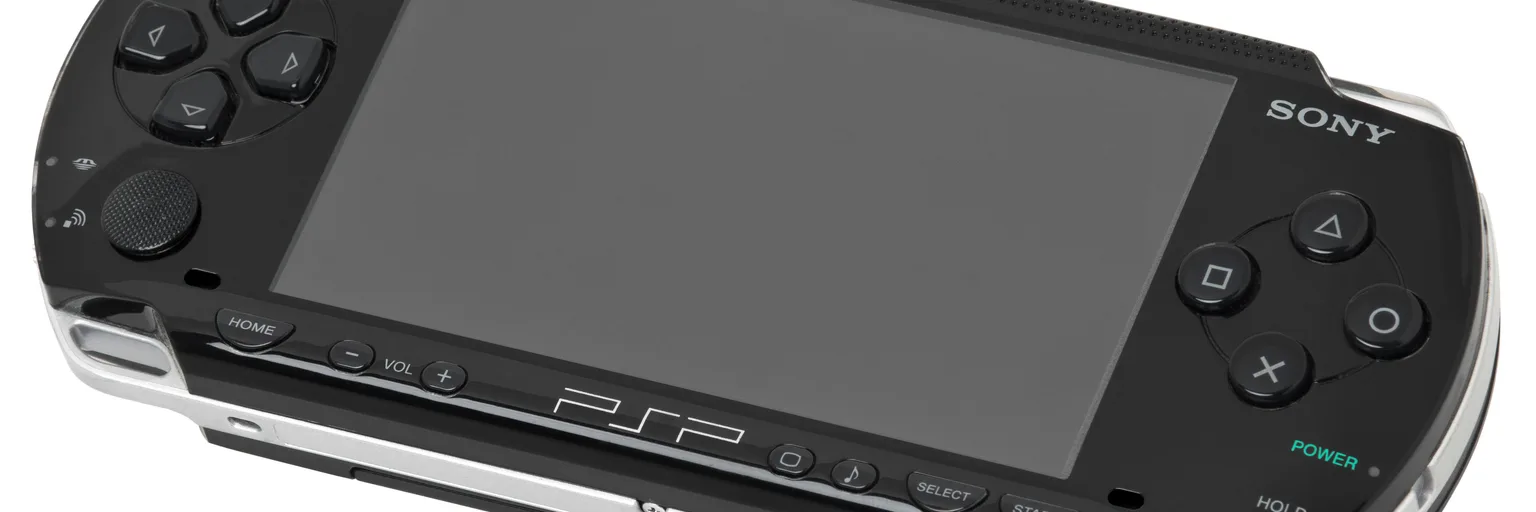
A native PC port of a 2005 PSP racer, apparently a community effort, keeps WipEout Pure playable at modern resolutions without an emulator, and it may be a template.
Thousands of DOS games run in a browser tab, but vague "abandonware" labels and no visible licensing could leave the whole catalog one takedown from vanishing.
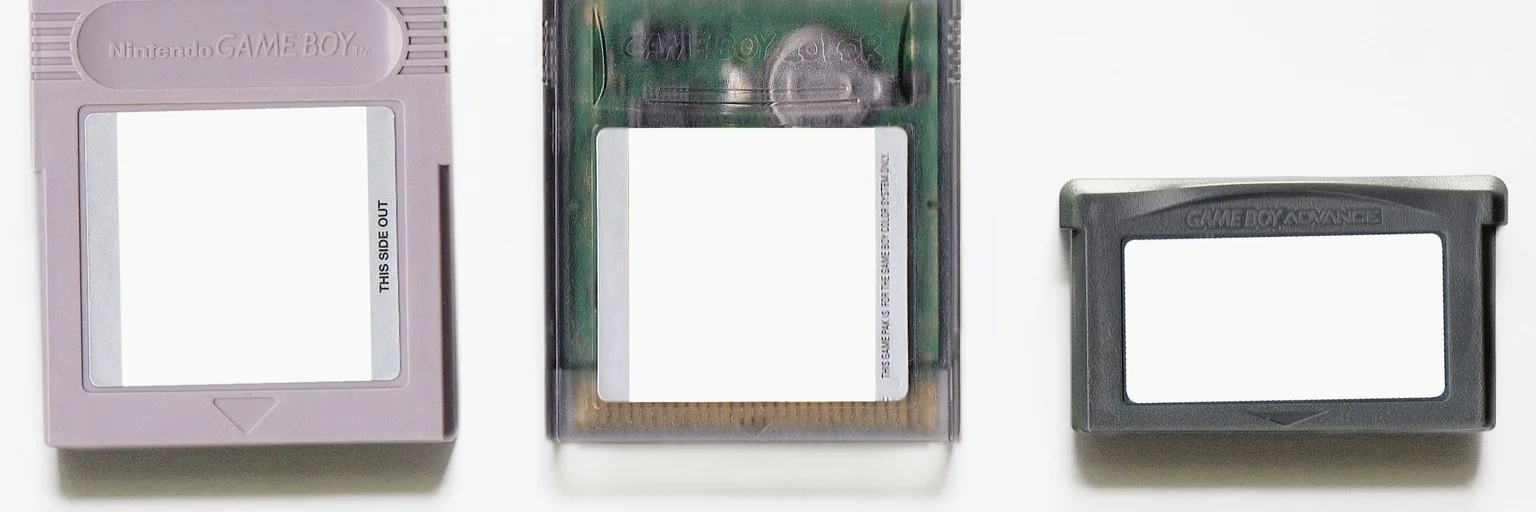
A half-read Game Boy cartridge sits at $25,000 on a single bid. It shows how the market prices provenance while preservation needs full dumps, and auctions should require archival access.
A father-and-son build from lockdown is becoming an official set. We think bricks canonize a landmark stage rig better than any streaming nostalgia playlist can.
The Heinz Nixdorf MuseumsForum turns 30 this Saturday. Its real lesson: computing history needs rooms, people and objects, not just archives and emulators.
From London to Milan, new arcades work because they sell something live-service games can't, a finite, shared, physical evening, and venues rather than museums are winning.
Atari is closing the VCS store on February 1, 2027. The lesson isn't that retro hardware dies; it's that only the parts nobody locked down can outlive the company.
Raspberry Pi makes emulation approachable and legally aware, but the real craft starts after the quick setup: ROMs, accuracy, latency and hardware care.
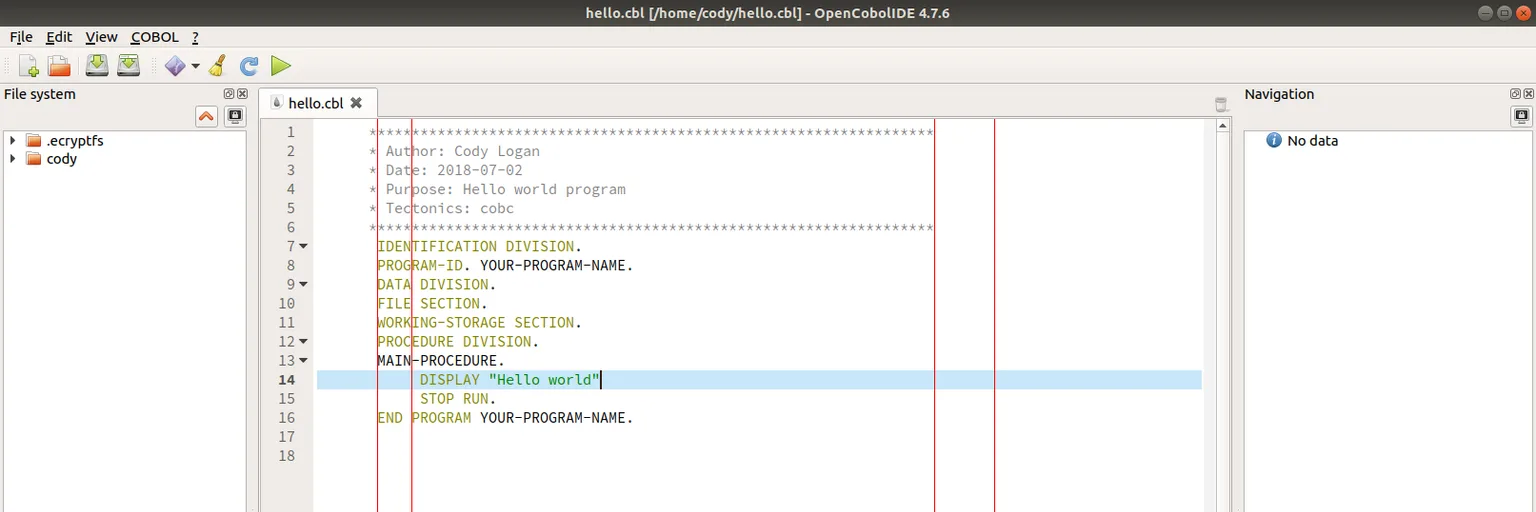
OpenAI’s COBOL results make translation look easier, but the real modernization challenge is proving that decades of undocumented financial rules still survive the rewrite.
AMD’s reconstruction technology is coming to Xbox Series X|S, but its success will depend on cleaner motion and developer adoption—not headline claims about free performance.