The Web Browser: Gaming's New Frontier for Retro Emulation
Modern web technologies and dedicated mobile solutions are not just making classic games accessible; they're fundamentally reshaping digital preservation and inspiring creative coding.

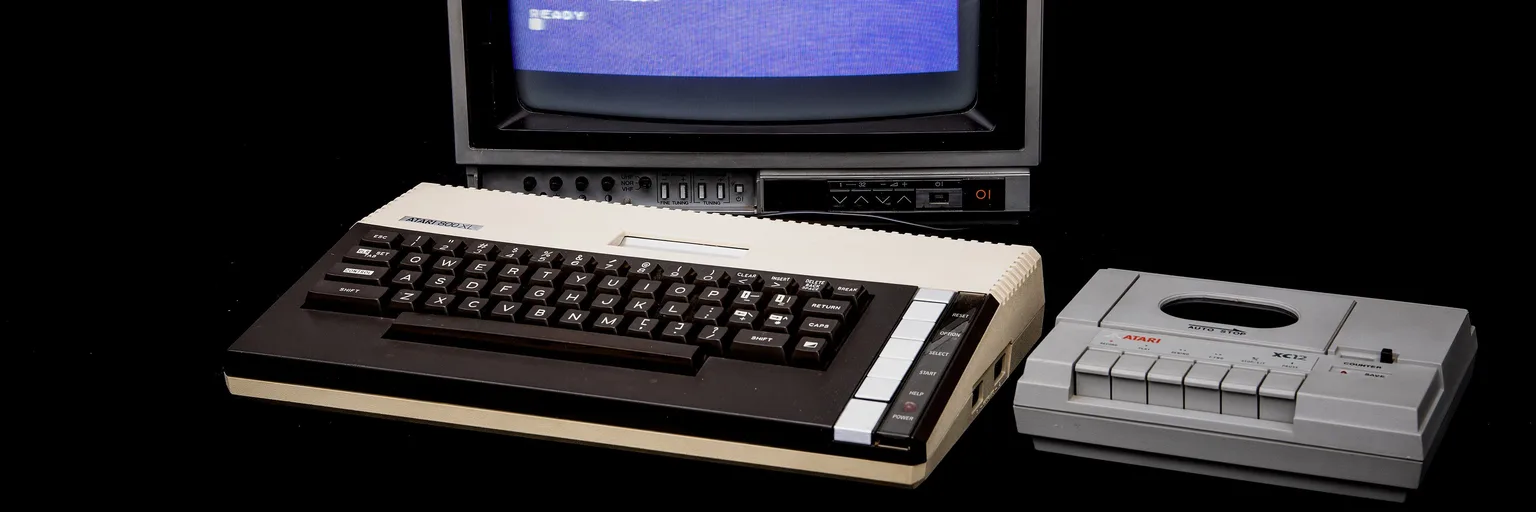
Atari's reimagined 800XL, complete with HDMI and USB, transcends mere nostalgia, offering a robust platform for new generations to engage with 8-bit computing and creative programming.
Fragment shaders have transformed digital art from static images into dynamic, real-time performances, pushing creative coding into an engaging spectacle for audiences worldwide.
From the humble Sokoban to the extreme 13KB limit of js13kGames, the pursuit of small-scale web games reveals profound insights into efficient coding and creative problem-solving.
The evolution from OpenGL's ad-hoc flexibility to Vulkan's demanding low-level control and WebGPU's universal promise marks a pivotal shift in GPU harness, with creative coders eagerly exploring its potential.
In an era of boundless storage, the demoscene's size-coding artists continue to push boundaries, crafting complex visual and auditory experiences within minuscule byte limits, proving ingenuity trumps gigabytes.
The demoscene, a computer art subculture built on technical prowess, found a vibrant new home in web browsers, embracing JavaScript, Canvas, and WebGL to explore novel avenues for interactive audiovisual art.
From the Amiga's tracker legacy to the ingenious softsynths of 4K intros, the demoscene reveals how severe constraints can spark unparalleled musical innovation and keep chiptune thriving.
From its humble origins in 1980s software cracktros to gaining UNESCO cultural heritage status, the demoscene stands as a testament to digital creativity and technical artistry.
Beneath the unassuming facade of classroom tools, Texas Instruments calculators fostered a vibrant demoscene, transforming cold logic into a playground for digital artists.
One has strategically broadened its appeal to embrace gaming and esports, while the other remains a dedicated bastion for pure digital artistry. Both Assembly and Revision exemplify the dynamic evolution of the demoscene.