The Kilobyte Symphony: How Tiny Files Make Big Demoscene Sounds
From the Amiga's tracker legacy to the ingenious softsynths of 4K intros, the demoscene reveals how severe constraints can spark unparalleled musical innovation and keep chiptune thriving.
AI-generated image
Can artistic constraint truly be the ultimate liberator for creativity? In the world of the demoscene, where every byte is meticulously counted, musicians have transformed severe technical limitations into a vibrant, evolving art form, proving that less can indeed be much, much more.
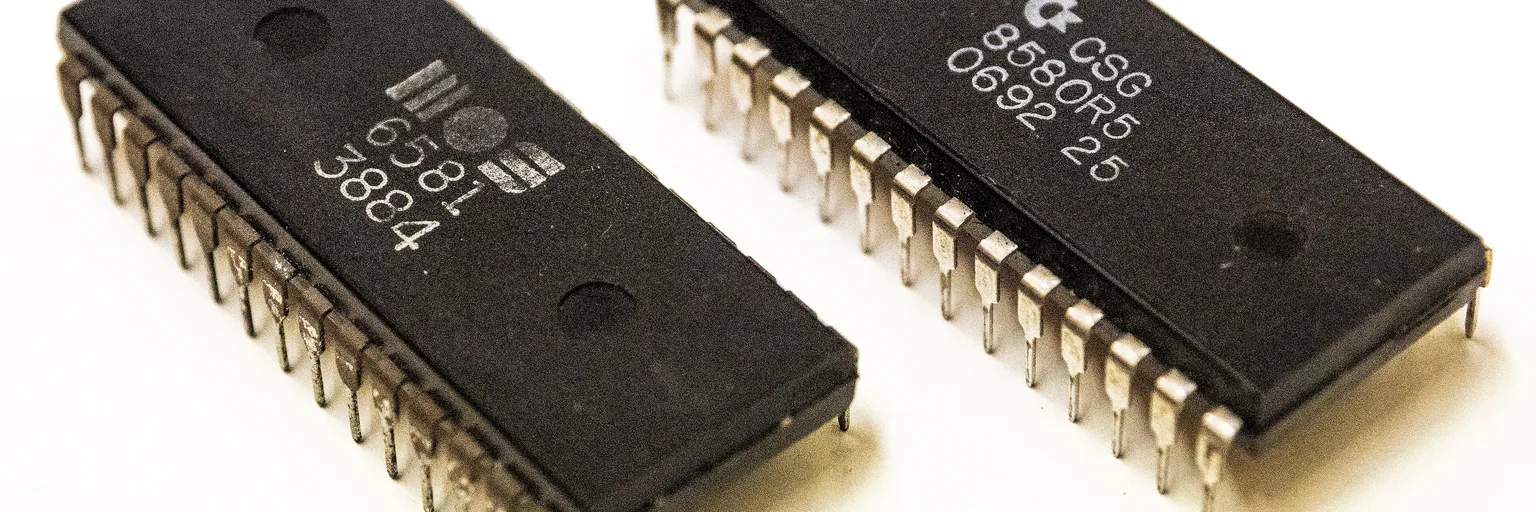
For decades, the demoscene has championed the art of pushing hardware to its absolute limits, turning what others saw as severe restrictions into fertile ground for innovation. This philosophy is nowhere more evident than in its approach to music, where the genre known as chiptune — or 8-bit music — was born and continues to thrive. Chiptune is a style of electronic music made using the programmable sound generator (PSG) sound chips or synthesizers found in vintage arcade machines, computers, and video game consoles, often defined more by its distinctive timbral characteristics than by any specific style [4]. These sounds are rooted in the memory and processing limitations of early computing [6].
The Tracker Revolution and the Amiga Legacy
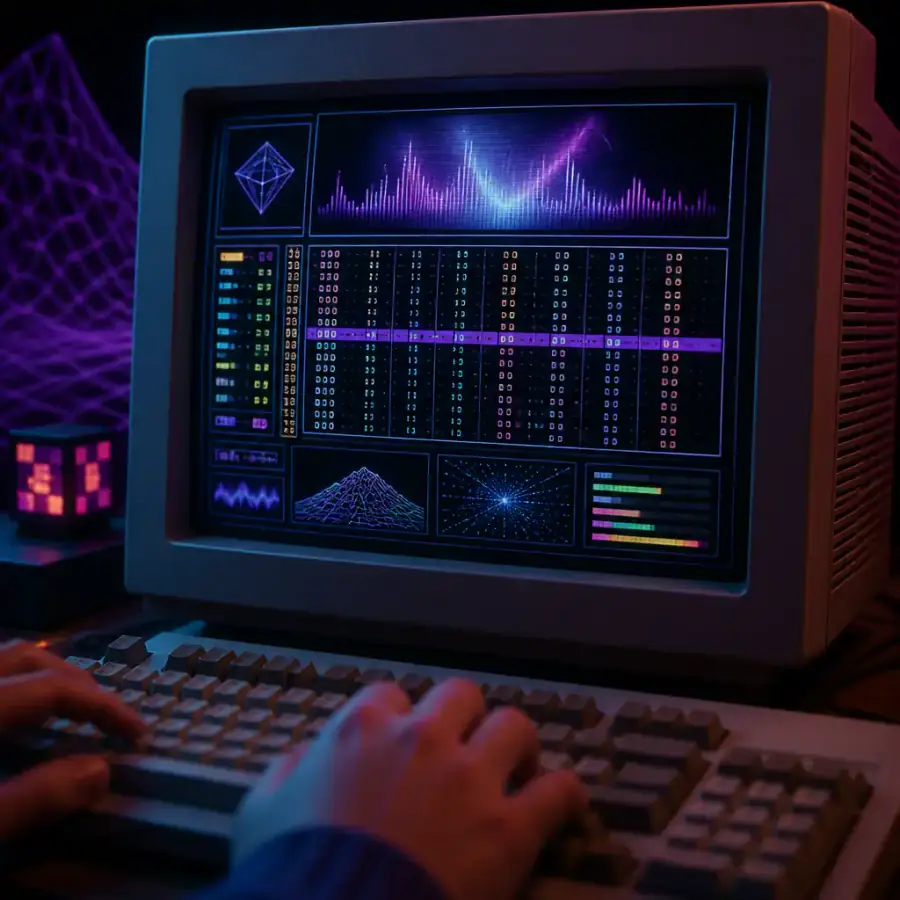
The demoscene's journey with musical constraints began prominently with the advent of "tracker" software. This innovative approach to music composition emerged in the late 1980s on systems like the Amiga, giving rise to the "module file" or MOD music format [9, 10]. Unlike traditional linear sequencers, trackers presented music as a series of channels, allowing composers to arrange notes, samples, and effects in a vertical, spreadsheet-like interface [14]. This method was groundbreaking because it enabled the creation of complex, multi-instrumental pieces using minimal data, essentially providing instruction sets for the computer to play a song with pre-recorded samples for each instrument [14].
The Amiga became a central platform for this musical evolution. Its dedicated sound chip, combined with the efficiency of tracker software, allowed demoscene musicians to squeeze rich soundscapes out of limited resources. What developed was a distinctive sound, characterized by its reliance on small, often simple samples and clever programming tricks to emulate polyphony where hardware voices were scarce, frequently employing rapid arpeggios [4]. This era not only fostered a unique musical aesthetic but also cultivated a culture of optimization, where every kilobyte saved meant more room for creative expression within the confines of the executable file size. Many online communities and events, such as the Blip Festival, helped popularize chiptune created with tools like Nanoloop (1998) and Little Sound DJ (2000) on platforms like the Nintendo Game Boy, establishing chiptune as an internet-based participatory culture [6].
The Future is Small: 4K Intros and Software Synthesizers
Today, the demoscene continues to innovate with extreme constraint, most notably through "4K intros." These are small executables, with a maximum file size of 4096 bytes (4 kilobytes), that produce real-time audio and visuals [18, 19]. The challenge here is immense: an entire audio-visual experience, complete with music, code, and graphics, must be generated from scratch within this tiny footprint, often with zero external dependencies [17]. This pushes musicians and programmers to the absolute edge of their technical prowess.
The musical component of 4K intros is often handled by highly optimized software synthesizers, or "softsynths," like 4klang [18]. These are not pre-recorded samples or module files in the traditional sense, but rather compact algorithms that generate sounds procedurally in real-time. A 4K intro typically comprises a small graphics framework, a softsynth, and one or more pixel shaders, all working in concert to create a dynamic, responsive experience [19]. This approach to music production epitomizes the demoscene's ethos: to achieve maximum impact with minimum data, transforming severe technical limitations into a canvas for unparalleled musical innovation. The persistent focus on size optimization and procedural generation ensures that the spirit of chiptune – creating complex sonic experiences from fundamental building blocks – not only endures but continues to evolve in unexpected ways.
Keep reading
No topics yet: start the first one.
More stories
NES Cartridges: Chiptune's Enduring Playground for Innovation
As artists like Daydream Plus and Riki Iwasaki embrace physical NES cartridges for their chiptune albums, they redefine creative limits and prove that retro hardware is far from obsolete.
Justice in GTA VI: A Retro-Electronic Masterstroke or Just Marketing Hype?
Rockstar Games' decision to bring Justice not just to the GTA VI soundtrack, but as 'original score composers,' signals a profound commitment to a retro-electronic aesthetic that could reshape how we think about game audio and inspire a new wave of creative coding.
Morphoice's ChipTune isn't just nostalgia; it's a testament to timeless sound design
The latest free beta synth from Morphoice, recreating the iconic Commodore 64 SID chip, underscores how foundational retro audio technology continues to shape and inspire modern music production, proving its sound remains as relevant as ever.