Scene & Code Newsroom
The 5800X3D revival is a great gift, but not a model to copy
AMD's 'final gift' to AM4 owners shows what platform longevity buys, but it works as a farewell, not as a template for the industry.
Roland's quirky box was no mere sound card: games were composed for it, and today's emulators and community guides show why authentic playback beats generic General MIDI.
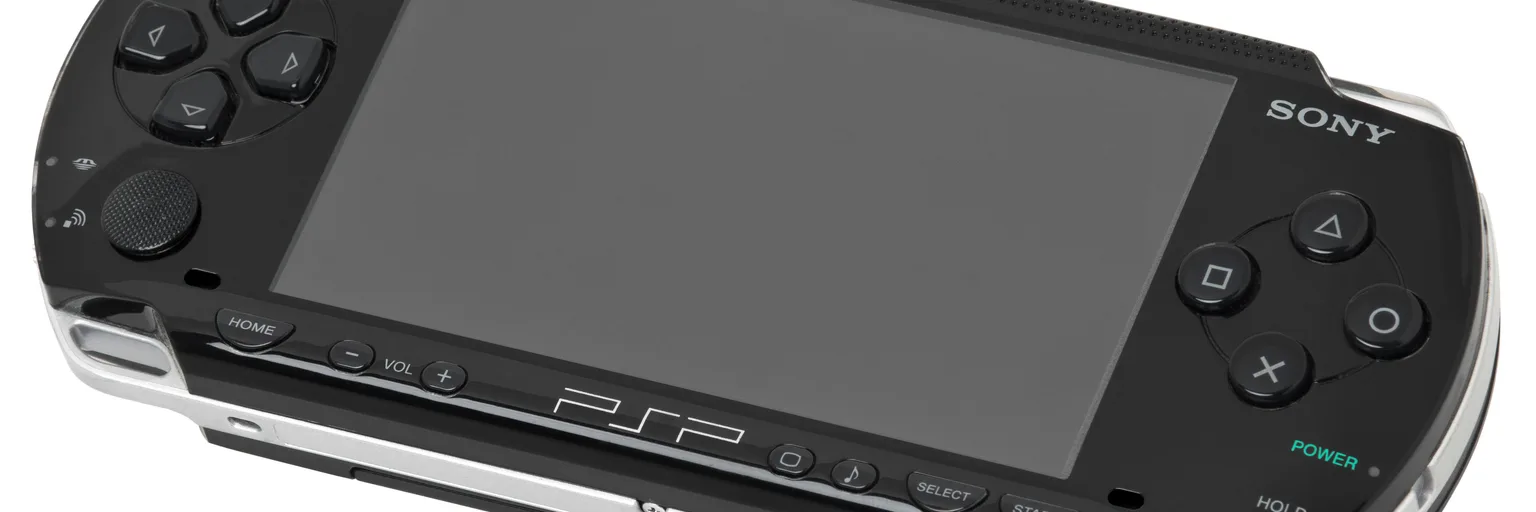
A native PC port of a 2005 PSP racer, apparently a community effort, keeps WipEout Pure playable at modern resolutions without an emulator, and it may be a template.
Thousands of DOS games run in a browser tab, but vague "abandonware" labels and no visible licensing could leave the whole catalog one takedown from vanishing.
A half-read Game Boy cartridge sits at $25,000 on a single bid. It shows how the market prices provenance while preservation needs full dumps, and auctions should require archival access.
The Heinz Nixdorf MuseumsForum turns 30 this Saturday. Its real lesson: computing history needs rooms, people and objects, not just archives and emulators.
From London to Milan, new arcades work because they sell something live-service games can't, a finite, shared, physical evening, and venues rather than museums are winning.
Atari is closing the VCS store on February 1, 2027. The lesson isn't that retro hardware dies; it's that only the parts nobody locked down can outlive the company.
Raspberry Pi makes emulation approachable and legally aware, but the real craft starts after the quick setup: ROMs, accuracy, latency and hardware care.
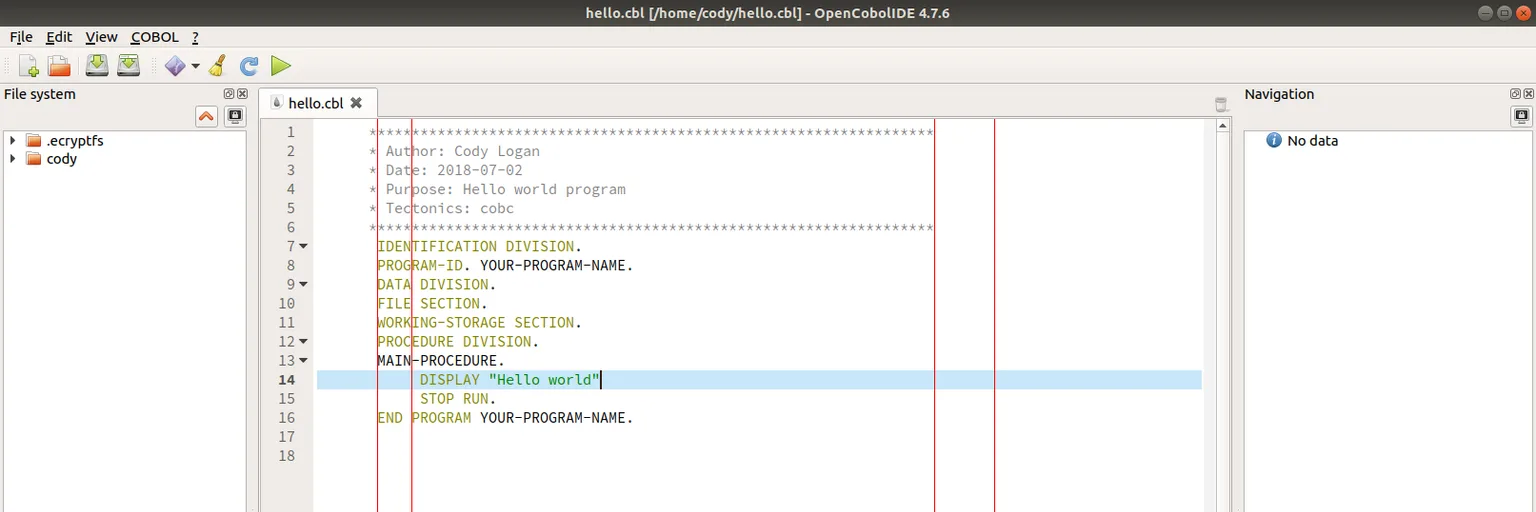
OpenAI’s COBOL results make translation look easier, but the real modernization challenge is proving that decades of undocumented financial rules still survive the rewrite.
Nintendo’s expansive new strategy RPG makes a persuasive case that systems, consequence, and long-term planning matter more than visual novelty.
The canceled revival and new helmet replicas reveal why Stargate SG-1 remains powerful: fans want expansion, but not at the cost of the world they already love.
The PlayStation 3 emulator RPCS3 has made a monumental leap with online trophy synchronization via RPCN, a crucial step in preserving the console's social gaming experience and entire library.
The recent addition of Yamaha MIDI support to the open-source PalmOS Lemmings port shows how retro-focused development can enrich classic experiences, blending historical charm with modern sonic fidelity.
More than a nostalgic port, Nomad Games' upcoming HeroQuest: Digital Edition's robust Quest Editor transforms a classic board game into a dynamic platform for creative coding and community-driven content.
A new AI-assisted mod for Red Dead Redemption 2 injects a dynamic Nemesis System, transforming static NPCs into persistent rivals and evolving faction wars, proving player-driven innovation is key to evolving beloved game worlds.
Yeo Kheng Meng's audacious project to bring USB4 and Thunderbolt to Windows 98 transcends mere retrocomputing novelty, unlocking powerful new possibilities for creative coding and digital preservation.
The community-backed initiative to immortalize the iconic Apple iMac G3 in LEGO bricks is not merely a trip down memory lane, but a powerful affirmation of design's lasting influence and a catalyst for digital art's future.
The remarkable resurgence of archived Flash games reveals a pivotal moment for creative coding and browser-based experiences, underscoring the enduring power of accessible tools and dedicated digital preservation.
The surprising development of PlayStation 5 games booting on Xbox Series X via emulation is a testament to the open-source community's ingenuity, signaling a future where console boundaries blur and preservation efforts gain unprecedented visibility.