Why the iMac G3 LEGO project is more than just nostalgia
The community-backed initiative to immortalize the iconic Apple iMac G3 in LEGO bricks is not merely a trip down memory lane, but a powerful affirmation of design's lasting influence and a catalyst for digital art's future.
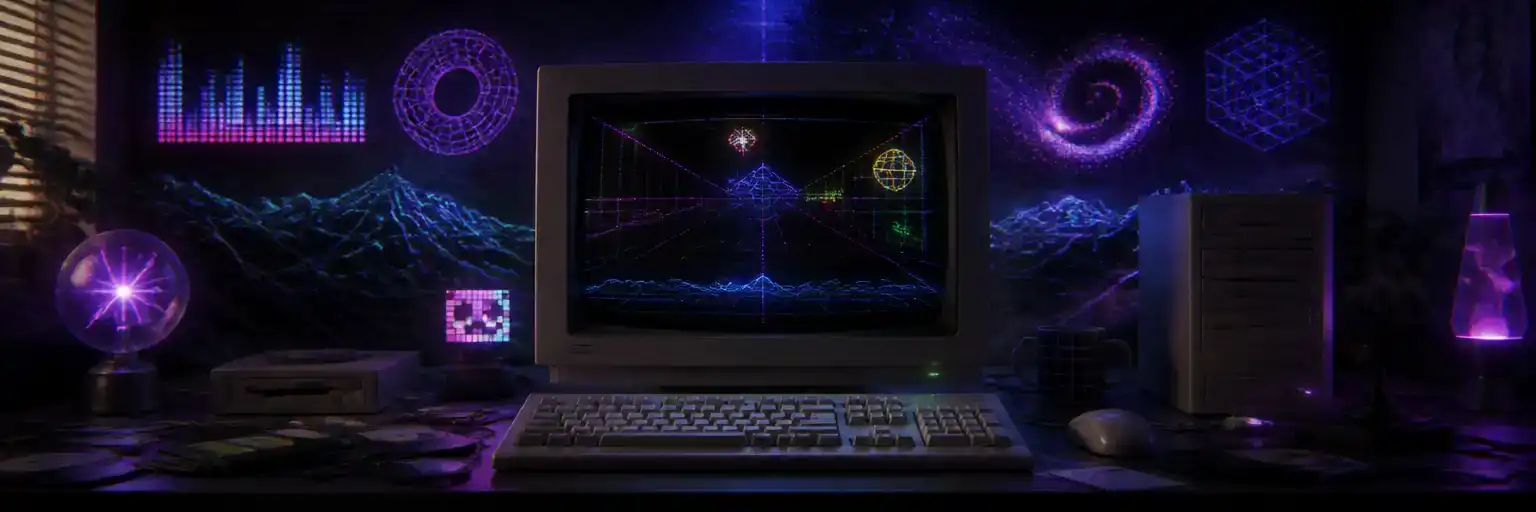
AI-generated image
In an era increasingly dominated by sleek, minimalist designs, the vibrant, translucent aesthetic of the original Apple iMac G3 stands as a beacon of audacious industrial design. So, when a fan-project to recreate this computing icon in LEGO bricks reached the coveted 10,000 votes on the LEGO Ideas platform, it resonated far beyond mere toy enthusiasts. This moment signifies more than just a potential new set; it embodies a powerful blend of retro appeal and community-driven creative preservation, showcasing how foundational tech can inspire and inform contemporary digital art and creative coding.
The LEGO Ideas platform is a fascinating arena where collective passion can elevate a concept from a fan's dream to a potential commercial product. The detailed LEGO design of the iMac G3, comprising an estimated 700 bricks, captured the imagination of countless supporters. After accumulating the necessary votes, the project entered LEGO's official review phase, a critical step toward potentially seeing this slice of computing history reimagined in plastic form, though success is by no means guaranteed, with design rights and Apple's approval remaining factors.
The Enduring Allure of Form and Function
What makes the iMac G3 such a compelling candidate for a LEGO recreation, especially for those in the demoscene and creative coding communities? It's not just blind nostalgia. The G3, first introduced in the late 1990s, shattered conventional computer aesthetics with its distinctive, translucent designs. This wasn't merely a stylistic choice; it was a defiant statement against the beige boxes that dominated the market. For creative coders, who often grapple with the interplay of form and algorithm, the G3's design offers a masterclass in how hardware can influence user experience and evoke emotion. It reminds us that technology, at its best, is a canvas for innovation, not just a tool.
Community as Curator: The Power of LEGO Ideas
The journey of this iMac G3 project through LEGO Ideas underscores the potent role of online communities in cultural preservation. Platforms like LEGO Ideas (which users join to support ideas or submit their own designs, as LEGO Ideas explains) democratize the curation of cultural artifacts, allowing the collective voice to determine what gets celebrated and remembered. Reaching 10,000 votes, as Giga reports in September 2026, is no small feat; it demonstrates a widespread desire to physically re-engage with an object that, for many, marked their entry into the digital world. This collective act of support isn't just about consumer demand; it's a testament to the emotional and historical weight these machines carry, transforming a personal memory into a shared legacy. This community-driven preservation mirrors the spirit of open-source projects and collaborative art, where shared passion builds something greater than individual efforts.
Beyond Bricks: Inspiring Digital Creativity
The most exciting aspect of the iMac G3 LEGO project, in our view, is its potential to inspire new forms of digital creativity. While it's a physical model, the act of rebuilding such an iconic piece of hardware can rekindle an appreciation for the foundational designs that underpinned early digital experiences. For creative coders and digital artists, understanding the aesthetic and functional choices of past hardware can be incredibly liberating. It encourages exploration of retro computing themes, pixel art, or even the simulated limitations of older systems, driving innovation by looking backward. Imagine a demoscene production that uses the translucent design of the iMac G3 as an artistic motif, or a generative art piece inspired by its vibrant color palette. This isn't just about replicating the past; it's about reinterpreting it through a contemporary lens, pushing the boundaries of what digital art can be by drawing from its rich history.
In an increasingly virtual world, the tactile experience of constructing a LEGO model of a classic computer offers a unique bridge between physical and digital realms. It’s a tangible reminder of the hardware that once housed our earliest digital explorations. The success of the iMac G3 LEGO project on LEGO Ideas is a vibrant affirmation that retro tech is more than just a nostalgic memory; it's a living source of inspiration for future innovations in creative coding and digital art, urging us to remember the bold designs that paved the way for today's complex digital landscapes. Whether it ultimately becomes a commercial set or remains a community triumph, its impact on inspiring a new generation of creators is undeniable.
No topics yet: start the first one.
More stories
Flash Games: The Unsung Blueprint for Accessible Creative Coding
The remarkable resurgence of archived Flash games reveals a pivotal moment for creative coding and browser-based experiences, underscoring the enduring power of accessible tools and dedicated digital preservation.
PS5 Emulation on Xbox: A Boundary-Breaking Technical Statement
The surprising development of PlayStation 5 games booting on Xbox Series X via emulation is a testament to the open-source community's ingenuity, signaling a future where console boundaries blur and preservation efforts gain unprecedented visibility.

Community Ports: The Essential Architects of Retro Gaming's Future
Community-driven recompilations and native ports are not merely about reliving nostalgia; they represent the most dynamic and critical force ensuring classic games endure against technological obsolescence and proprietary barriers.

The Silent Fade: Why Our Retro Hardware's Plastics Are Not Forever
The long-held belief in plastics' chemical inertness is a myth, challenging retro computing preservation and demanding new strategies to save our digital heritage from chemical degradation.