NES Cartridges: Chiptune's Enduring Playground for Innovation
As artists like Daydream Plus and Riki Iwasaki embrace physical NES cartridges for their chiptune albums, they redefine creative limits and prove that retro hardware is far from obsolete.
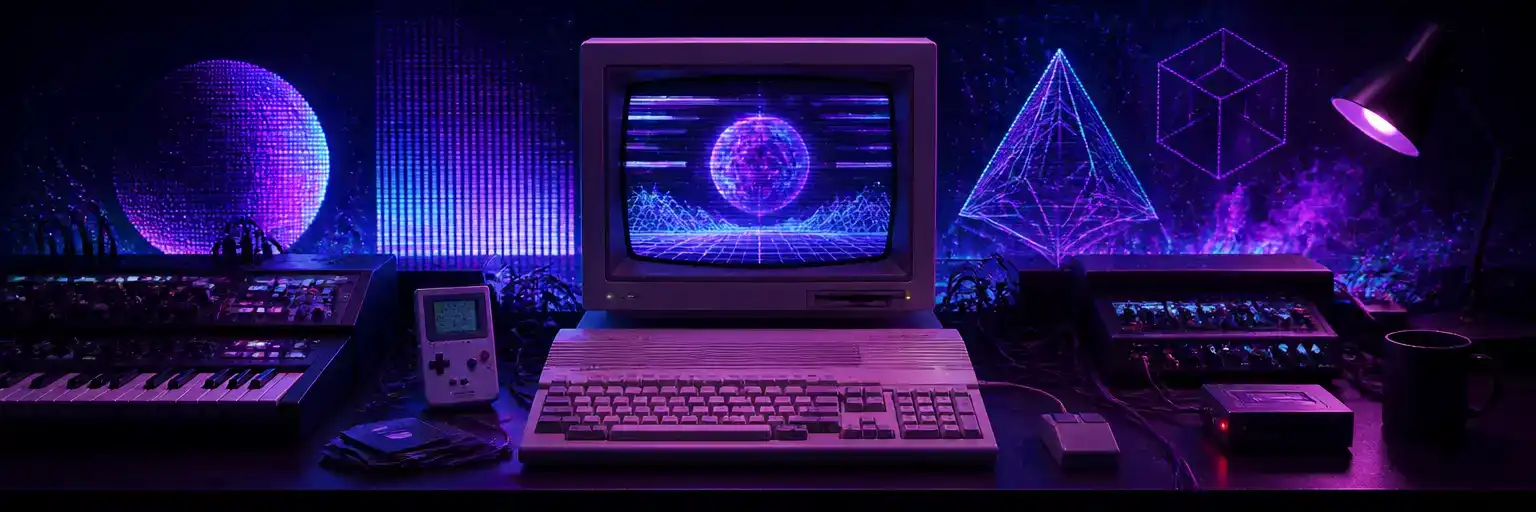
AI-generated image
Can technology from the 1980s still be a frontier for musical innovation? In an age where boundless digital tools dominate creative production, the very idea of deliberately embracing severe limitations might seem counterintuitive. Yet, the persistent allure of classic consoles like the Nintendo Entertainment System (NES) for new music releases proves that constraints often breed the most compelling forms of artistry, pushing technical and musical creativity to its absolute peak.
Chiptune, often called 8-bit music, is an electronic music style crafted using the programmable sound generator (PSG) chips from vintage arcade machines, computers, and video game consoles. While popular in the 80s and then out of style in the 90s, the last decade has seen a significant resurgence in its popularity, with many artists paying homage to retro gaming. This isn't just about nostalgia; it's about a vibrant, ongoing movement that continually finds new ways to innovate within old frameworks.
Consider the recent activity around NES cartridge releases. Earlier this year, emo math-rock band Daydream Plus released an 8-bit chiptune remix of their debut album, Second Last Day of Summer, titled Extended Forecast, exclusively on a physical NES cartridge. This follows a similar pioneering effort by artist and developer Riki Iwasaki, who released the chiptune album 8-Bit Music Power on an NES cartridge in 2016. Iwasaki's project, a hit in Japan, not only offered 11 tracks but also turned the NES into a jukebox with a multitude of visual flair.
The Allure of Hardware Limitations
Why would artists deliberately choose a platform like the NES, a console with just five audio channels – two pulse-wave, one triangle, a noise generator, and a rudimentary PCM channel – for modern music production? As we see it, this choice isn't a limitation; it's a profound creative challenge. The NES sound chip, or APU, generates simple tones, forcing composers to push these chips to their limits to craft rich, melodic music. For instance, the two pulse channels typically support the main melody, the triangle channel adds bass, and the noise channel handles percussion. Mastering these constraints, as composers like Tim Follin did with games like Silver Surfer, demonstrates a level of ingenuity that often surpasses the ease of modern digital audio workstations.
The historical context also highlights this ingenuity. Early chiptune composers, like those creating music for Rally-X in 1980, were already pushing boundaries by featuring continuous melodic background music. Tools like FamiStudio exist today precisely to empower both chiptune artists and NES homebrewers to compose music for the console, showing a dedicated community thriving around these technical challenges. The creative process on such a restricted platform is less about what you can't do and more about what unexpected sounds and arrangements you can coax from limited waveforms.
The Enduring Appeal of Physical Media
Beyond the technical challenge, the choice to release music on NES cartridges is a statement on the value of physical media in a digital-first world. Daydream Plus guitarist Payson Power explicitly stated their motivation:
No topics yet: start the first one.
More stories
Justice in GTA VI: A Retro-Electronic Masterstroke or Just Marketing Hype?
Rockstar Games' decision to bring Justice not just to the GTA VI soundtrack, but as 'original score composers,' signals a profound commitment to a retro-electronic aesthetic that could reshape how we think about game audio and inspire a new wave of creative coding.
Morphoice's ChipTune isn't just nostalgia; it's a testament to timeless sound design
The latest free beta synth from Morphoice, recreating the iconic Commodore 64 SID chip, underscores how foundational retro audio technology continues to shape and inspire modern music production, proving its sound remains as relevant as ever.
The Kilobyte Symphony: How Tiny Files Make Big Demoscene Sounds
From the Amiga's tracker legacy to the ingenious softsynths of 4K intros, the demoscene reveals how severe constraints can spark unparalleled musical innovation and keep chiptune thriving.